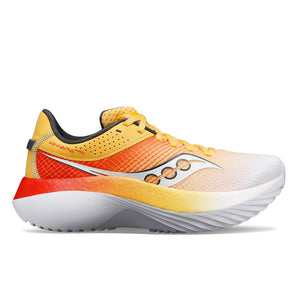
Choosing the right pair of running shoes is critical for both comfort and performance. Whether you are a seasoned marathoner or a casual jogger, the right footwear can significantly affect your experience and help prevent injuries. With a plethora of options available, selecting the perfect pair might seem overwhelming. This comprehensive guide aims to simplify the process by exploring key factors to consider when buying running shoes, ensuring you make an informed decision that aligns with your needs.
Understanding Your Foot Type
One of the foundational steps in selecting the right running shoes is understanding your foot type. Foot types generally fall into three categories:
- Neutral: Feet with a balanced arch that evenly distribute the weight across the foot.
- Flat: Low or no arch, leading to overpronation where the foot rolls inward.
- High Arch: Less contact area with the ground, which can cause underpronation or supination.
Identifying your foot type will help in selecting shoes with the appropriate level of support and cushioning. Discover expert strategies here to further understand your foot type and its impact on shoe selection.
Determining Your Running Style
Every runner has a unique style, and understanding it is crucial for selecting the right shoes. Consider the following aspects of your running style:
- Purpose: Are you running for leisure, training for a race, or participating in trail runs?
- Frequency: How often do you run? Daily runners may require more durable shoes.
- Surface: Do you run on roads, trails, or tracks?
Each of these factors will influence the type of shoe that is best suited for your needs. Learn about our tailored solutions to match your running style with the right shoe features.
Key Features to Consider
Cushioning
Cushioning is a critical feature that affects comfort and performance. Shoes with more cushioning are ideal for long runs, offering greater shock absorption and comfort. Conversely, minimalist shoes with less cushioning may appeal to those who prefer a more natural running feel.
Support
Support is vital for maintaining proper alignment and preventing injuries. Shoes designed for overpronators often include motion control or stability features. For individuals with neutral feet or underpronation, neutral cushioned shoes are generally preferable. Explore advanced guides and tips on support features tailored to different foot types.
Breathability and Fit
The material of the shoe upper plays a significant role in breathability. Mesh uppers are often preferred for their ability to allow airflow, keeping feet cool and dry. Additionally, ensuring a proper fit is paramount; shoes should fit snugly without being too tight, allowing for natural foot movement.
Trying Before Buying
It is recommended to try on several pairs of shoes before making a purchase. Consider the following tips:
- Shop later in the day when feet are naturally more swollen.
- Wear the same type of socks you intend to use during runs.
- Walk or run briefly in the shoes to assess comfort and fit.
These steps can significantly enhance the likelihood of selecting the right pair of shoes. Find out more about this approach to ensure a satisfying shopping experience.
Conclusion
Choosing the right running shoes involves a careful assessment of foot type, running style, and the features that align with personal preferences. Understanding these factors and incorporating expert advice can lead to a more enjoyable and injury-free running experience. Whether exploring on your own or seeking further insights, resources are available to guide you through the selection process. Remember, the ideal shoe not only enhances performance but also contributes to overall foot health and well-being.