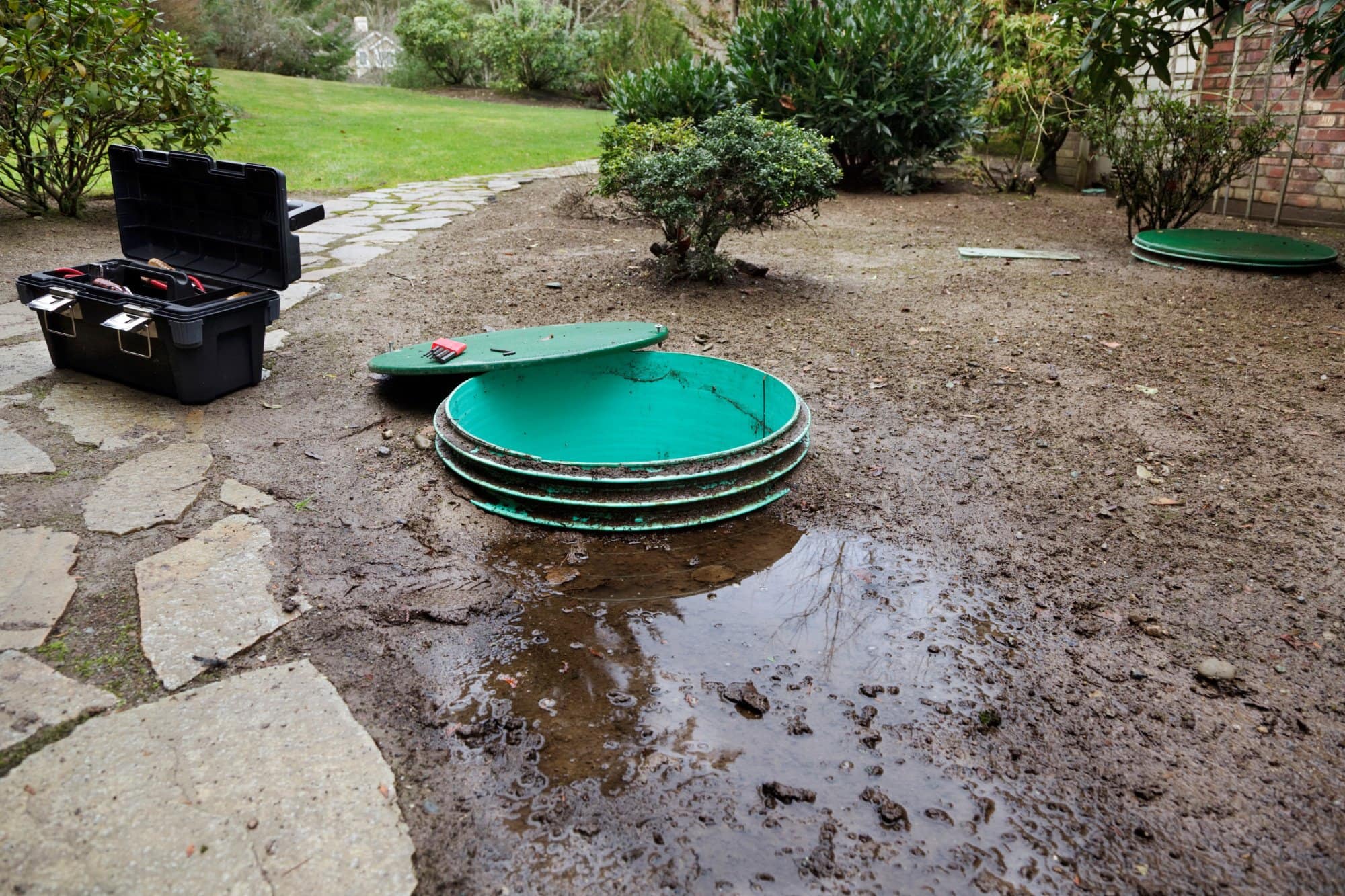
Septic tanks are an essential component of many residential and commercial properties, providing a safe and efficient way to manage wastewater. Regular maintenance, specifically septic tank pumping, ensures that the system operates smoothly and prevents costly repairs or environmental hazards. Understanding the intricacies of septic tank maintenance can help property owners make informed decisions and maintain the longevity of their systems.
Understanding the Importance of Septic Tank Pumping
Septic tank pumping is a critical maintenance task that involves the removal of accumulated sludge and scum from the tank. This process is necessary to:
- Prevent backups and overflows that can lead to property damage and environmental contamination.
- Enhance the efficiency of the septic system by allowing it to process wastewater effectively.
- Increase the lifespan of the septic system, saving property owners from expensive repairs or replacements.
When to Schedule Septic Tank Pumping
The frequency of septic tank pumping depends on several factors, including the size of the tank, the number of people using the system, and the volume of wastewater generated. Here are some general guidelines:
- Every 3 to 5 years for average-sized households with moderate water usage.
- More frequently for larger families or properties with high water consumption.
- Less frequently for smaller households or if the property has multiple septic systems.
It is crucial to keep an eye on any signs that suggest the tank may need pumping sooner than anticipated, such as slow drains, unpleasant odors, or pooling water around the septic tank area.
Steps for Effective Septic Tank Maintenance
Implementing a consistent maintenance routine is key to ensuring the efficiency and longevity of a septic system. Here are vital steps for effective maintenance:
Regular Inspections
Conducting regular inspections helps in identifying potential issues before they become significant problems. Professional inspections should be scheduled every 1 to 3 years, depending on the system’s usage and age. Inspectors will check for:
- Signs of leaks or cracks in the tank or pipes.
- Proper functioning of the system?s components, such as pumps and alarms.
- Accumulation levels of sludge and scum to determine the need for pumping.
Water Conservation
Reducing water usage can significantly impact the efficiency of a septic system. Excessive water can overload the system, leading to failures. Consider:
- Installing low-flow fixtures and appliances to minimize water flow.
- Fixing leaks and drips promptly to prevent unnecessary water usage.
- Spreading laundry and dishwashing over several days to avoid overwhelming the system.
Proper Waste Disposal
Only biodegradable materials should be flushed or drained into the septic system. Non-biodegradable items can cause blockages and damage the system. Avoid disposing of:
- Grease, oils, and fats that can congeal and block pipes.
- Non-biodegradable items like diapers, wipes, and feminine hygiene products.
- Chemicals and medications that can disrupt the bacterial balance in the tank.
Finding Professional Septic Tank Services
Engaging professional services for septic tank pumping is crucial for optimal system performance. When seeking a service provider, consider their experience, reputation, and the comprehensiveness of their services. For more information, explore resources on septic tank pumping to make informed decisions.
In summary, regular septic tank pumping and maintenance are essential practices for property owners relying on septic systems. By understanding the importance of timely pumping, adhering to maintenance steps, and conserving water, one can ensure the system’s efficiency and longevity.