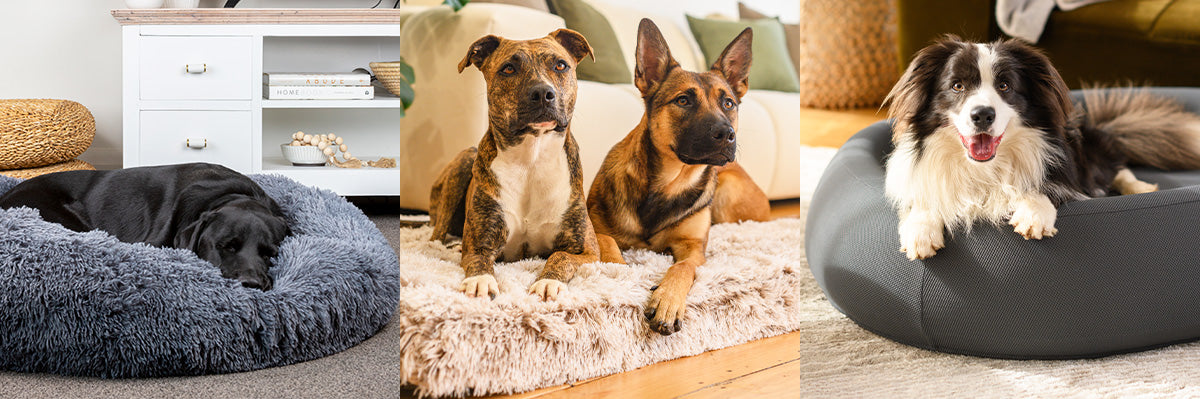
In recent years, the importance of providing pets with comfortable and supportive sleeping arrangements has gained increasing recognition. As pet owners become more aware of their furry companions’ needs, the demand for high-quality pet accessories, particularly beds, has surged. A memory foam pet bed has emerged as a popular choice for those looking to enhance their pet’s naptime experience. This article delves into the benefits of memory foam pet beds and how they can significantly improve the quality of life for pets.
Benefits of Memory Foam Pet Beds
Memory foam pet beds are designed with various advantages that cater to the well-being of animals. Understanding these benefits can help in making an informed decision when selecting a bed for a pet.
- Orthopedic Support: Memory foam is renowned for its ability to conform to the body, providing excellent support for joints and muscles. This is especially beneficial for older pets or those with arthritis.
- Pressure Point Relief: The material distributes weight evenly, reducing pressure points, which can help prevent sores and discomfort.
- Temperature Regulation: Many memory foam pet beds are designed to maintain a comfortable temperature, ensuring that pets stay cool in the summer and warm in the winter.
- Durability: Memory foam is known for its resilience and longevity, making it a worthwhile investment for pet owners.
Choosing the Right Memory Foam Bed
When selecting a memory foam dog bed, several factors should be considered to ensure that it meets the specific needs of the pet.
Size and Shape
The size of the bed should accommodate the pet comfortably, allowing them to stretch out fully. The shape can also be a consideration, with options ranging from rectangular beds to those with bolstered sides for extra support.
Cover Material
It is crucial to choose a cover material that is both durable and easy to clean. Many memory foam pet beds come with removable, washable covers, which can help maintain hygiene and extend the life of the bed.
Density and Thickness
The density and thickness of the memory foam can affect the level of support and comfort provided. A higher density foam typically offers better support and durability.
Integrating a Memory Foam Bed into Your Home
Introducing a new bed into the home can be an adjustment for both pets and their owners. Here are some tips to ensure a smooth transition:
- Placement: Position the bed in a quiet, familiar area where the pet feels safe and secure.
- Encouragement: Encourage the pet to use the bed by placing toys or treats on it initially.
- Patience: Allow time for the pet to get accustomed to the new sleeping arrangement. It may take a few days for them to fully embrace it.
Conclusion
Upgrading a pet’s naptime with a memory foam pet bed is a thoughtful decision that reflects a commitment to their comfort and well-being. The advantages of memory foam, from orthopedic support to temperature regulation, make it a superior choice for pet bedding. By considering factors such as size, cover material, and foam density, pet owners can ensure they select the perfect bed for their furry friends. As more people recognize the importance of quality sleep for pets, the popularity of memory foam pet beds is likely to continue growing.