Lyme disease, a tick-borne illness, poses significant challenges due to its diverse symptoms and potential for chronic complications. Traditional treatment methods often involve antibiotics; however, there is a growing interest in complementary therapies to enhance recovery. One such therapy is Hyperbaric Oxygen Therapy (HBOT), which is gaining attention for its potential role in managing Lyme disease. By increasing oxygen delivery to tissues, HBOT could offer benefits that address both acute and persistent symptoms of Lyme disease.
The Science Behind HBOT
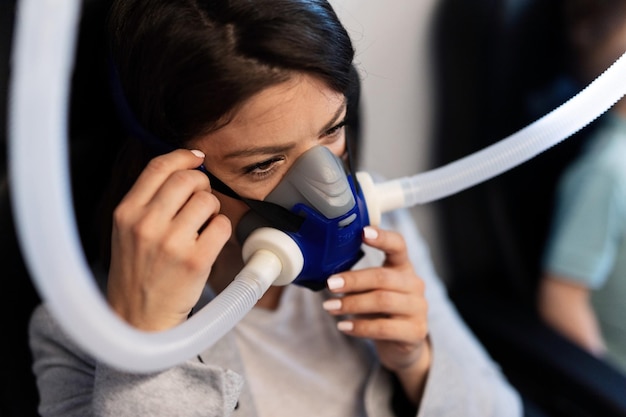
Hyperbaric Oxygen Therapy involves breathing pure oxygen in a pressurized chamber. This process increases the amount of oxygen your blood can carry, promoting healing and fighting infection.
- Enhanced Oxygen Delivery: Increases the oxygen levels in the blood, which can help heal tissues affected by Lyme disease.
- Anti-inflammatory Effects: Reduces swelling and inflammation, common issues in Lyme disease.
- Immune System Support: Bolsters the body’s natural defense mechanisms, which can be compromised by Lyme disease.
For a deeper understanding of how HBOT works in Lyme disease management, discover expert strategies here.
HBOT and Lyme Disease Symptoms
Addressing Acute Symptoms
Many individuals with Lyme disease experience acute symptoms, such as fever, chills, and muscle aches, which can be debilitating. HBOT can help alleviate these symptoms by:
- Reducing fatigue and improving energy levels.
- Enhancing mental clarity and reducing brain fog.
- Alleviating joint pain and stiffness.
To learn more about how HBOT can target these acute symptoms, learn about our tailored solutions.
Managing Chronic Lyme Disease
Chronic Lyme disease presents a different challenge, often requiring a comprehensive approach to manage long-term symptoms. HBOT can play a role by:
- Promoting neurological repair and improving cognitive function.
- Facilitating detoxification processes in the body.
- Supporting overall immune function to prevent further complications.
Find out how HBOT can make a difference in chronic Lyme management by exploring advanced guides and tips.
Clinical Evidence and Patient Outcomes
Research into HBOT for Lyme disease is ongoing, and while more studies are needed, existing evidence suggests promising outcomes for many patients.
- Case Studies: Individual cases have shown significant improvements in symptoms following a series of HBOT sessions.
- Clinical Trials: Some trials have demonstrated reduced symptoms and improved quality of life in patients undergoing HBOT.
For more details on clinical findings and patient experiences, find out more about this approach.
Considerations and Accessibility
While HBOT offers potential benefits, it is crucial to consider it as part of a comprehensive Lyme disease management plan. Factors to consider include:
- Consultation with healthcare providers to tailor therapy to individual needs.
- Understanding the potential side effects and contraindications of HBOT.
- Exploring insurance coverage and financial options for therapy sessions.
To ensure HBOT is the right choice for you, consult with healthcare professionals and explore advanced guides and tips on integrating HBOT into your Lyme disease treatment plan.
In conclusion, while HBOT is not a standalone cure for Lyme disease, it offers a complementary approach that may enhance recovery and improve quality of life for many patients. By understanding its role and integrating it thoughtfully into a broader treatment strategy, individuals with Lyme disease can potentially experience significant benefits.