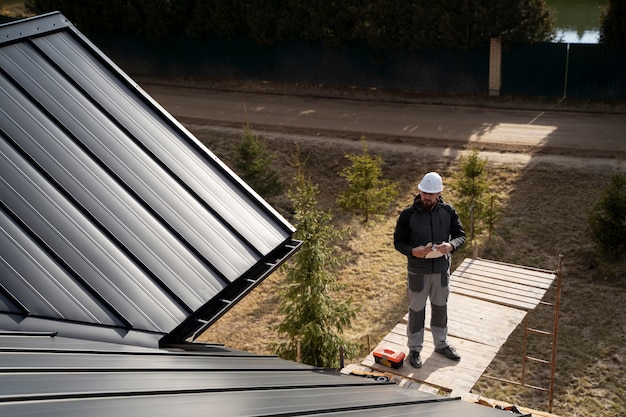
Concrete waterproofing is a crucial aspect of maintaining the integrity and longevity of structures, whether they are residential, commercial, or industrial. Without proper waterproofing, concrete surfaces can succumb to moisture infiltration, leading to structural deterioration, mold growth, and costly repairs. The role of top concrete waterproofing experts is to provide comprehensive solutions that protect investments from these potential pitfalls. This article delves into the significance of concrete waterproofing and highlights the professionals who excel in this field.
Understanding Concrete Waterproofing
Concrete waterproofing involves a series of techniques and products designed to prevent water from penetrating concrete surfaces. This process is essential for preserving the durability and function of concrete structures. Here are a few key points:
- Concrete is inherently porous, making it susceptible to water absorption and damage.
- Waterproofing can be applied to both new constructions and existing structures.
- Effective waterproofing helps in preventing surface cracks, mold, and structural weakening.
For those interested in learning more about the various methods of concrete waterproofing, it is beneficial to explore advanced guides and tips provided by industry leaders.
Why Engage Professionals?
While DIY methods might seem tempting, engaging professionals for concrete waterproofing offers numerous advantages:
- Expertise in selecting the right waterproofing materials for specific needs.
- Access to advanced technology and techniques that enhance effectiveness.
- Thorough assessment and customized solutions to address unique challenges.
Discover expert strategies here to understand why professional intervention is often the best choice for comprehensive protection.
Types of Waterproofing Solutions
Cementitious Waterproofing
This method is popular for its ease of application and cost-effectiveness. It is ideal for internal wet areas such as bathrooms and kitchens.
- Uses cement-based products mixed with suitable additives.
- Forms a protective barrier that resists water penetration.
Liquid Waterproofing Membrane
A flexible and versatile solution, liquid membranes are applied as a coating, forming a seamless, watertight layer.
- Can be sprayed, rolled, or brushed onto surfaces.
- Suited for complex surfaces with varying shapes and angles.
Bituminous Coating
Also known as asphalt coating, this method is effective for waterproofing foundations and below-ground structures.
- Provides excellent protection against water ingress and corrosion.
- Often used in conjunction with other waterproofing methods for enhanced durability.
Those seeking to learn about tailored solutions can explore the various options available to suit specific project requirements.
Signs Your Concrete Needs Waterproofing
Timely intervention can prevent extensive damage. Watch out for these signs indicating a need for waterproofing:
- Visible cracks and fissures on concrete surfaces.
- Persistent dampness or water stains on walls and floors.
- Efflorescence or white powdery substance on surfaces.
If any of these signs are present, it?s prudent to find out more about this approach to prevent further deterioration.
Conclusion
Concrete waterproofing is an investment in the longevity and safety of any structure. By choosing top concrete waterproofing experts, one ensures that their property remains protected from the adverse effects of water damage. For a comprehensive understanding of waterproofing solutions and to secure expert guidance, consider visiting resources that explore advanced guides and tips in the field. Protecting your investment begins with informed decisions and professional expertise.