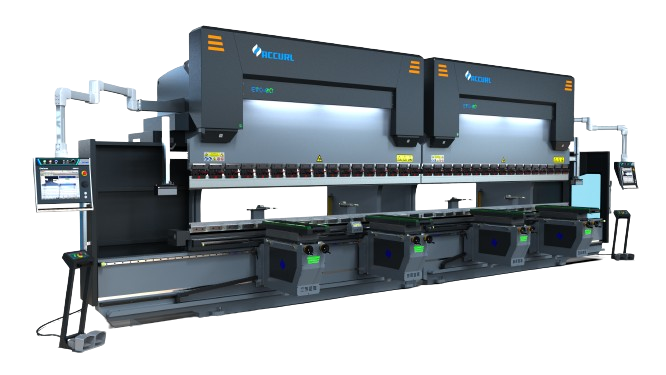
When it comes to metal fabrication, the importance of press brake machines cannot be overstated. These machines are pivotal in bending and shaping metal sheets, providing precision and efficiency for diverse industrial applications. However, choosing the right press brake can be daunting given the variety of specifications and technologies available. This guide aims to streamline the selection process, helping professionals make informed decisions when investing in this critical equipment.
Understanding Press Brake Machines
Press brakes are mechanical devices used for bending sheet and plate metal. They work by clamping the metal between a matching punch and die, which then bends the metal to the desired angle. The key components to consider when choosing a press brake include:
- Tonnage: The force capacity of the press brake, which determines the thickness of the material it can bend.
- Bending Length: The maximum length of the material that can be bent.
- Back Gauge: This ensures precision in the positioning of the metal sheet before bending.
- Control System: The type of control system (manual, CNC, or hybrid) that dictates the machine’s operation and precision.
Key Considerations for Buying Press Brake Machines
1. Assessing Your Production Needs
Understanding your specific production requirements is crucial. Consider the types of materials you will be working with, their thickness, and the complexity of the bends required. For instance, heavy-duty projects may necessitate a press brake with higher tonnage. For more insights on selecting a press brake based on your unique needs, learn about our tailored solutions.
2. Evaluating Technological Features
Modern press brakes come with a variety of technological advancements designed to improve accuracy and efficiency. Features such as CNC controls, automatic angle measurement systems, and energy-efficient systems can significantly enhance performance. Explore advanced guides and tips to understand how these features can benefit your operations.
3. Budget and Cost-effectiveness
While the initial investment in a press brake can be substantial, it’s important to consider the long-term cost-effectiveness. A high-quality machine might have a higher upfront cost but can save money in the long run through increased productivity and reduced maintenance needs. Discover expert strategies here for balancing budget constraints with operational requirements.
Maintenance and Longevity
A well-maintained press brake can last for decades. It is essential to adhere to regular maintenance schedules, including lubrication, inspection of hydraulic systems, and software updates. Proper training for operators can also extend the lifespan of the machine, ensuring it performs optimally throughout its service life. For a comprehensive understanding of maintenance practices, find out more about this approach.
Conclusion
Investing in a press brake machine is a significant decision that requires careful consideration of various factors. By evaluating your production needs, understanding the technological features available, and considering your budget, you can select a machine that enhances your operational efficiency and meets your strategic goals. Remember, the right press brake not only improves the quality of your output but also offers a competitive edge in the market.