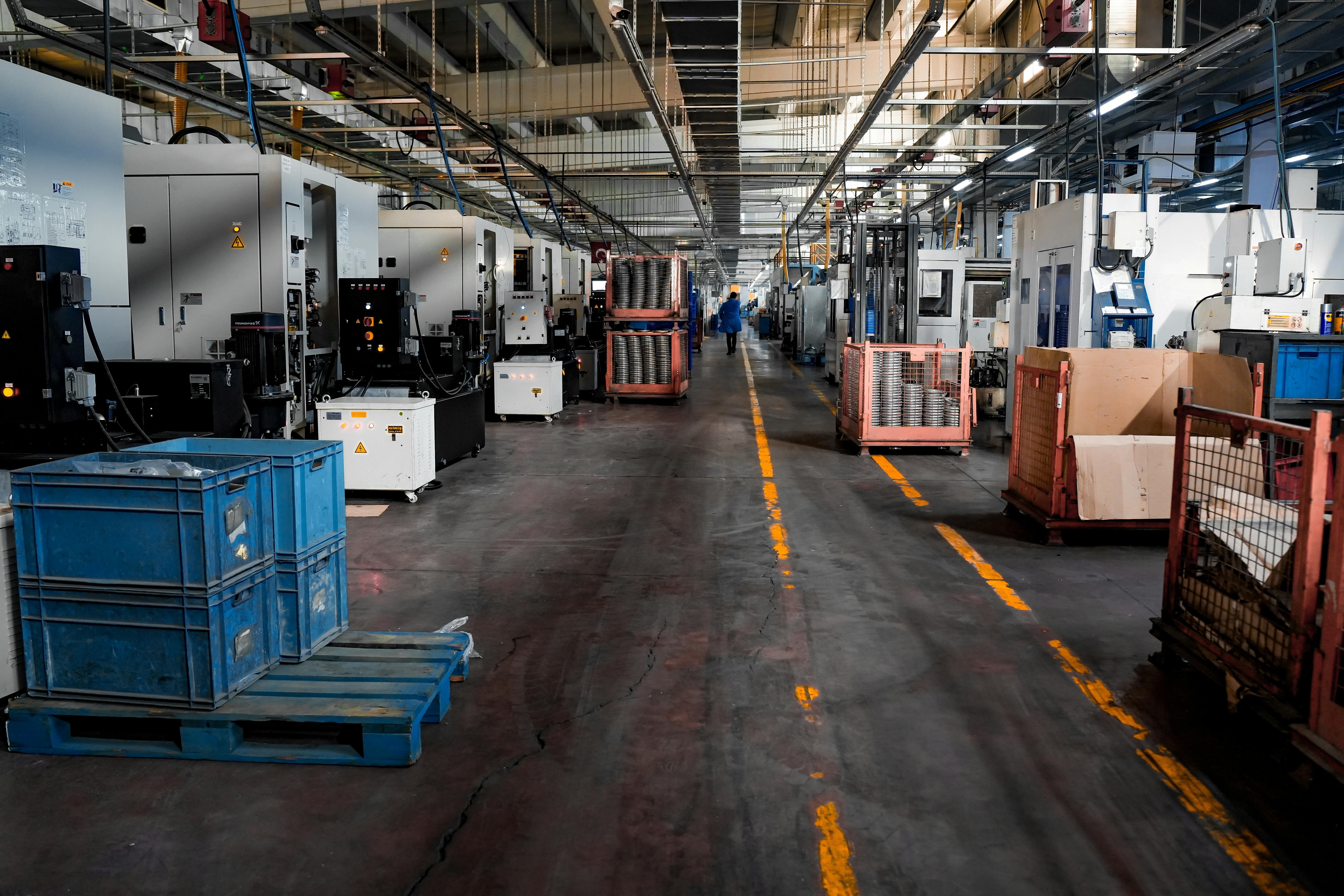
In the modern landscape of industrial production, machinery plays a critical role in ensuring efficiency and productivity. At the heart of these machines are industrial motors, whose components are vital to their functionality and performance. Understanding the significance of these components not only aids in the maintenance and operation of machinery but also contributes to advancements in industrial engineering. As industries evolve, the demand for more sophisticated and reliable motor components continues to grow. This article delves into the essential role these components play and how they contribute to the seamless operation of industrial machinery.
The Importance of Industrial Motor Components
Industrial motor components are the building blocks of an operational system, ensuring that machinery functions correctly and efficiently. These components have various roles, from controlling the motor’s speed to ensuring its durability and longevity. Here’s why these components are essential:
- Performance Optimization: High-quality motor components ensure optimal performance, reducing energy consumption and enhancing productivity.
- Reliability: Durable components minimize downtime due to breakdowns, ensuring continuous operation.
- Cost-Effectiveness: Investing in robust motor components can lead to long-term cost savings by reducing maintenance needs.
To explore advanced guides and tips on selecting the right industrial motor components, discover expert strategies here.
Key Components of Industrial Motors
Industrial motors comprise several key components, each contributing to the overall functionality and efficiency of the motor. Understanding these components can aid in better maintenance and operation:
1. Stator and Rotor
The stator and rotor are fundamental to the functioning of any motor. The stator generates a magnetic field, while the rotor rotates within this field, creating motion. Proper alignment and quality materials in these components are crucial for efficient operation.
2. Bearings
Bearings reduce friction between the moving parts of the motor, allowing for smooth rotation and increased efficiency. They play a critical role in extending the life of the motor by minimizing wear and tear.
3. Windings
Windings are coils of wire that carry current and generate the electromagnetic field necessary for motor operation. Proper insulation and winding techniques are essential to prevent overheating and ensure efficient performance.
For more information on how to enhance motor efficiency through these components, learn about our tailored solutions.
Advancements in Motor Component Technology
The evolution of technology in industrial motor components has brought about significant improvements in machinery performance. Recent advancements include:
- Smart Sensors: These allow for real-time monitoring of motor performance, aiding in predictive maintenance and reducing unexpected downtimes.
- Advanced Materials: The use of lightweight and durable materials has resulted in more efficient and longer-lasting motor components.
- Energy-Efficient Designs: New designs focus on reducing energy consumption while maintaining high performance levels.
To find out more about this approach to motor component technology, explore advanced guides and tips.
Conclusion
The role of industrial motor components in machinery cannot be overstated. They are integral not only to the function and efficiency of industrial motors but also to the advancement of industrial technology as a whole. By focusing on high-quality components and embracing the latest technological advancements, industries can ensure the reliability and efficiency of their machinery. To delve deeper into the intricacies of motor components and their impact on industrial machinery, explore advanced guides and tips.