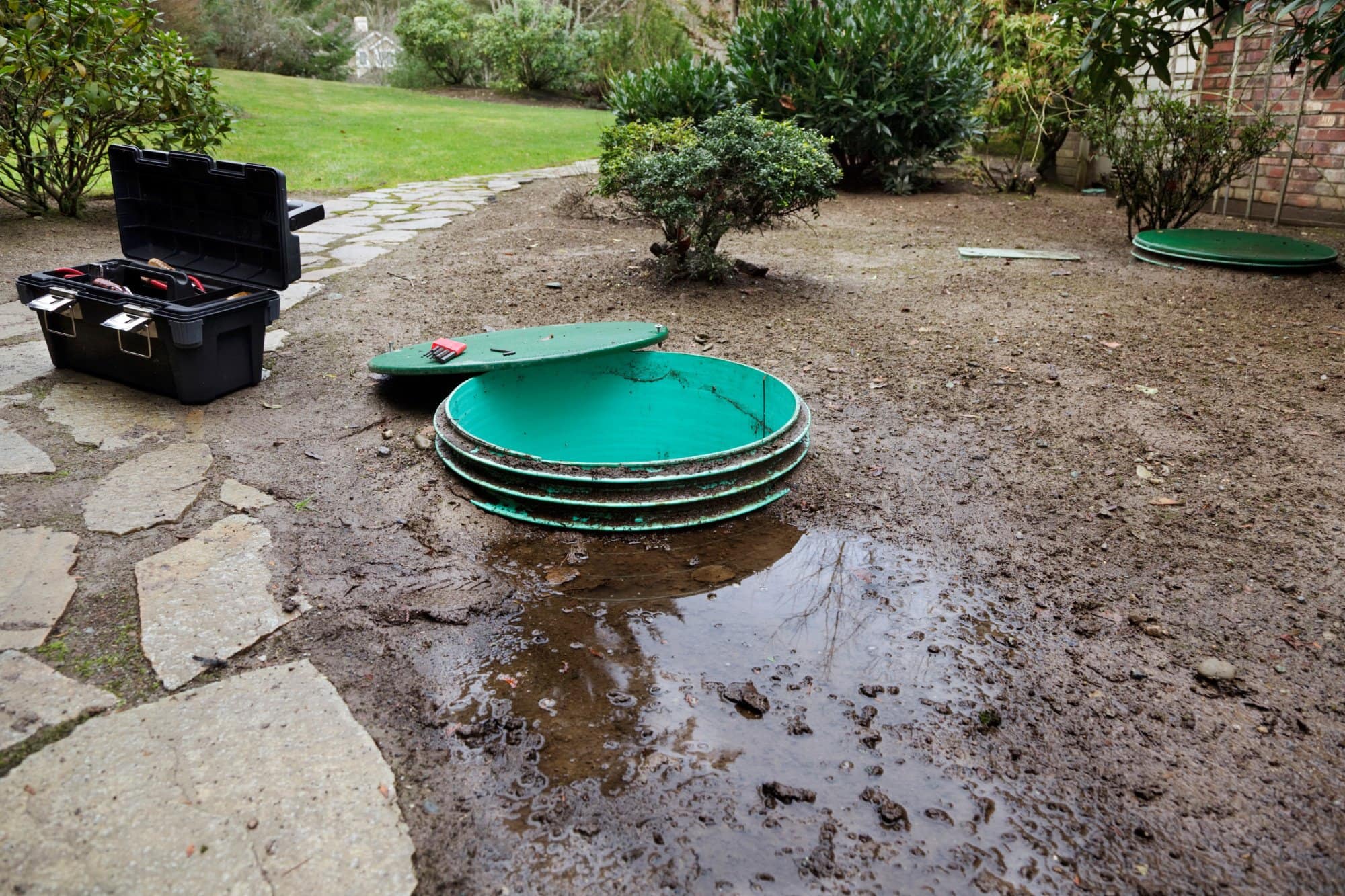
Maintaining a well-functioning septic system is crucial for homeowners who rely on it for wastewater management. A septic tank is an underground chamber where biological decomposition and drainage of wastewater occur. Regular maintenance, particularly septic tank pumping, is vital to ensure the system operates efficiently and prevents costly repairs or environmental harm. Understanding the significance of routine pumping helps in maintaining the health and longevity of septic systems.
Understanding Septic Tank Systems
Septic systems are integral to the wastewater management of many homes, especially in rural areas. They consist of a septic tank and a drain field. The tank collects and partially treats household waste, while the drain field disperses the treated water back into the soil.
The Role of Septic Tank Pumping
Pumping is a critical component of septic system maintenance. Over time, solids accumulate in the tank and need to be removed to prevent overflow and system failure. Here’s why regular septic tank pumping is essential:
- Preventing Backups: As solids build up, they can clog the system, leading to backups in household plumbing and potential overflows.
- Extending System Lifespan: Regular pumping reduces strain on the system components, prolonging their life and ensuring efficient operation.
- Environmental Protection: A well-maintained septic system prevents untreated waste from contaminating groundwater and local ecosystems.
- Avoiding Costly Repairs: Addressing issues before they escalate can save significant repair costs and inconvenience.
Signs That Your Septic Tank Needs Pumping
Being aware of the signs indicating that your septic tank requires pumping can prevent potential problems:
- Slow Drains: Fixtures draining slower than usual could indicate a full tank.
- Unpleasant Odors: Foul smells near the septic tank or drains often suggest that pumping is necessary.
- Pooling Water: Water pooling in the yard, especially around the septic tank, can be a sign of overflow.
- Lush Grass: Unusually green or lush grass over the septic area might indicate leaks or overflows.
How Often Should Septic Tanks Be Pumped?
The frequency of pumping depends on several factors, including the size of the tank, household size, and the volume of wastewater generated. As a general guideline, a family of four with a 1,000-gallon tank should consider pumping every 3 to 5 years. However, larger households or smaller tanks may require more frequent attention. Consulting a professional can provide tailored advice based on specific system needs.
Factors Influencing Pumping Frequency
- Household Size: More occupants increase wastewater production, necessitating more frequent pumping.
- Tank Size: Smaller tanks fill up faster, requiring more frequent service.
- System Usage: High water usage from appliances or frequent guests can affect pumping schedules.
Professional Septic Tank Maintenance
Engaging a professional service ensures that pumping is conducted safely and efficiently. Experienced technicians assess the system, provide recommendations, and perform necessary maintenance tasks. This professional touch not only ensures compliance with local regulations but also protects the investment in the property.
In conclusion, regular septic tank pumping is a crucial aspect of maintaining a healthy and efficient septic system. Understanding the role of pumping, recognizing the signs that indicate a need for service, and consulting professionals contribute to the longevity and functionality of the system. Adopting a proactive approach to septic system maintenance safeguards the home environment and prevents costly and inconvenient problems.