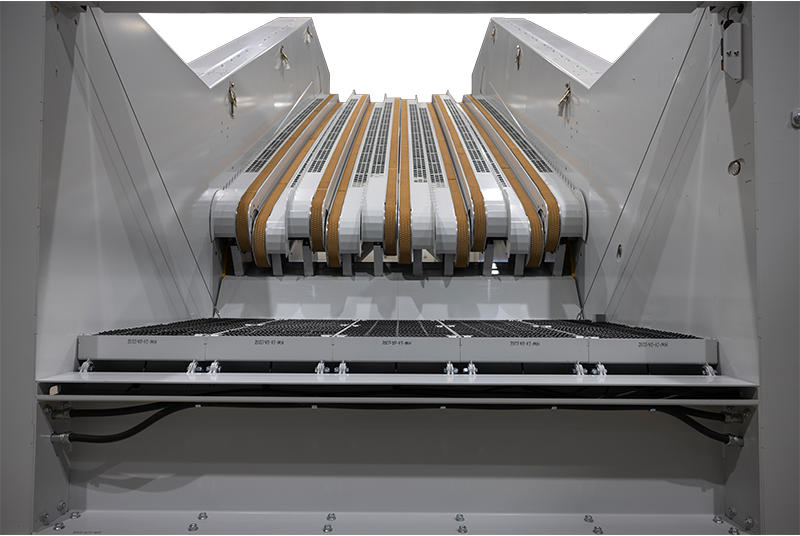
In an era where sustainability and environmental responsibility are at the forefront of global consciousness, the recycling equipment manufacturing industry is poised for significant transformation. As the demand for efficient recycling processes increases, so does the need for advanced technologies and innovative equipment. The future of recycling equipment manufacturing is being shaped by technological advancements, regulatory changes, and consumer preferences, leading to a more sustainable and effective approach to managing waste.
Technological Innovations Driving Change
The development of new technologies is revolutionizing the way recycling equipment is designed and utilized. Innovations such as artificial intelligence (AI), the Internet of Things (IoT), and robotics are increasingly being integrated into recycling processes to enhance efficiency and accuracy.
- AI-driven sorting systems are capable of identifying and separating materials with precision, reducing contamination and improving the quality of recycled materials.
- IoT-enabled equipment allows for real-time monitoring and maintenance, ensuring optimal performance and reducing downtime.
- Robotic systems are being used to automate repetitive and hazardous tasks, increasing safety and operational efficiency.
Discover expert strategies for implementing these technologies here.
Regulatory and Environmental Considerations
Governments worldwide are implementing stringent regulations to promote recycling and waste reduction. These regulations are driving manufacturers to adopt more sustainable practices and develop equipment that meets new compliance standards.
- Equipment designs must now emphasize energy efficiency and minimal environmental impact.
- Manufacturers are encouraged to use recyclable materials and reduce the carbon footprint of their production processes.
- Compliance with international standards is becoming a prerequisite for entering global markets.
Learn about tailored solutions that meet these regulatory demands here.
Consumer Trends and Demands
As consumers become more environmentally conscious, their demands for sustainable products and processes influence the recycling equipment manufacturing industry. There is a growing expectation for transparency and accountability in how waste is managed and recycled.
- Consumers prefer products from companies that demonstrate a commitment to sustainability.
- There is an increasing demand for recycling equipment that can handle a wider variety of materials, including complex and multi-layered products.
- Educational initiatives are being launched to inform consumers about recycling processes and encourage active participation.
Explore advanced guides and tips on aligning with consumer expectations here.
The Role of Collaboration and Partnerships
Collaboration between manufacturers, governments, and environmental organizations is crucial for advancing recycling technologies and practices. By working together, these entities can drive innovation and create more efficient recycling systems.
- Public-private partnerships can facilitate the development and deployment of cutting-edge recycling technologies.
- Collaboration with environmental organizations helps to ensure that equipment meets both economic and ecological goals.
- Shared knowledge and resources can accelerate technological advancements and reduce costs.
Find out more about this approach to collaboration here.
Conclusion
The future of recycling equipment manufacturing is bright, driven by technological advancements, regulatory pressures, and evolving consumer demands. As the industry continues to innovate, the emphasis will be on creating sustainable and efficient recycling solutions that can adapt to the changing landscape. By integrating advanced technologies, adhering to regulatory standards, and meeting consumer expectations, manufacturers can play a pivotal role in promoting environmental sustainability. For more insights into the future of recycling equipment, explore these resources.