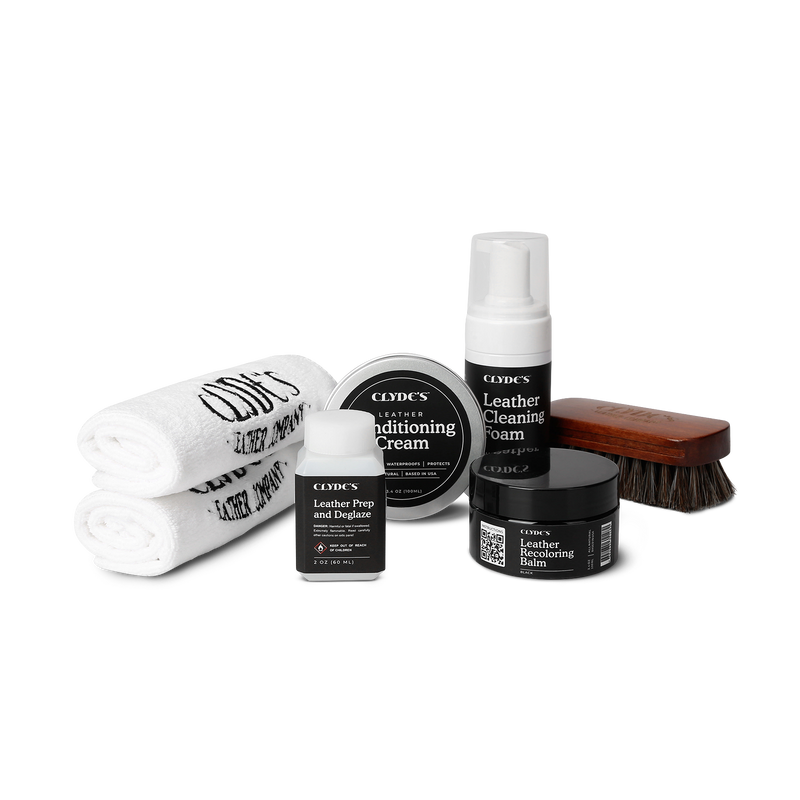
Leather furniture exudes a timeless charm, adding elegance and sophistication to any space. However, over time, exposure to sunlight, wear and tear, and improper cleaning can lead to fading, discoloration, and other forms of damage. Restoring leather furniture can seem daunting, but with the right approach and tools, it is entirely possible to bring back its original luster and beauty. This article provides a comprehensive guide on effectively restoring leather furniture.
Understanding Leather Types
Before embarking on any restoration project, it is crucial to identify the type of leather. Different leathers require different care, and using the wrong products or techniques can cause further damage.
- Aniline Leather: Known for its softness and natural appearance, this type of leather absorbs liquids quickly and is prone to stains. It requires gentle handling and specific products to maintain its quality.
- Semi-Aniline Leather: This leather type is treated to have a protective finish, making it more resistant to stains and fading, yet still retaining a natural look.
- Protected Leather: Often referred to as pigmented or finished leather, this type is more durable and easier to clean, thanks to its protective coating.
Preparing for Restoration
Cleaning the Leather Surface
Proper cleaning is the first step in the restoration process. Dust, dirt, and oils can build up over time, affecting the leather’s appearance and texture.
- Start by vacuuming the furniture using a soft brush attachment to remove dust and debris.
- Use a leather-specific cleaner to gently clean the surface. Avoid using harsh chemicals or soaps that can strip the leather of its natural oils.
Assessing the Damage
Once cleaned, inspect the leather for any damage, including scratches, cracks, or significant discoloration. Understanding the extent of the damage will guide the next steps in the restoration process. Discover expert strategies here for assessing leather damage effectively.
Restoration Techniques
Recoloring and Conditioning
Recoloring is an essential step in restoring discolored or faded leather. A specialized recoloring kit can help achieve a uniform color and restore the leather’s natural beauty. Learn about our tailored solutions for recoloring leather furniture.
- Apply a leather conditioner to nourish and soften the leather, preventing cracks and further damage.
- Use a recoloring balm that matches the original color of the leather to restore its vibrancy.
Repairing Scratches and Cracks
Minor scratches and cracks can be repaired using leather fillers and repair kits. These products fill in the gaps and smooth out the surface, making the leather look as good as new. Explore advanced guides and tips for repairing leather effectively.
Maintaining Restored Leather
Once the leather is restored, regular maintenance is key to preserving its condition.
- Keep furniture away from direct sunlight and heat sources to prevent fading and drying.
- Dust the furniture regularly and clean with a leather conditioner every few months.
- Avoid using household cleaners on leather, as they can damage the finish.
Proper restoration and maintenance can significantly extend the lifespan of leather furniture, keeping it looking elegant and refined for years to come. Find out more about this approach to ensure your leather furniture remains in excellent condition.