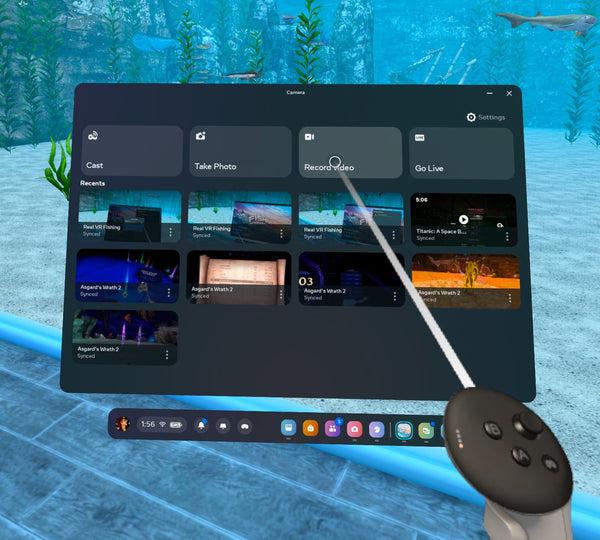
Mixed reality recording is an innovative way to capture immersive experiences that blend real and virtual worlds. With advancements in technology, the Quest 3 has emerged as a powerful tool for creating engaging mixed reality content. Whether you’re a content creator, educator, or enthusiast, mastering the art of mixed reality recording can significantly enhance your storytelling capabilities. This article delves into the techniques and tools necessary to optimize your recording sessions with the Quest 3, ensuring you produce high-quality, engaging content.
Understanding Mixed Reality Recording
Mixed reality recording involves capturing footage that combines elements of the physical world with virtual environments. This process is essential for creating compelling visual narratives that provide viewers with a holistic perspective of what it’s like to be inside a virtual space. The Quest 3 offers various features that facilitate this recording, making it an ideal choice for mixed reality enthusiasts.
Key Components of Mixed Reality Recording
- Camera Placement: Proper placement of cameras is crucial in capturing both the real and virtual elements effectively.
- Lighting: Adequate lighting enhances the quality of the recording, ensuring clarity and detail.
- Audio: Clear audio supports the immersive experience and is vital for a complete mixed reality recording.
Optimizing Your Quest 3 for Recording
To maximize the capabilities of the Quest 3 for mixed reality recording, consider the following tips:
Settings and Configurations
Configuring the Quest 3 settings for optimal recording quality is imperative. Follow these steps:
- Adjust the resolution and frame rate to suit your recording needs.
- Enable or disable features like motion smoothing as required.
- Calibrate the headset and controllers for accurate tracking.
For more detailed instructions on configuring your Quest 3, learn more in this detailed guide.
Choosing the Right Software
Selecting the appropriate software for editing and processing your mixed reality recordings can greatly affect the final output. Consider software that supports:
- High-resolution video editing.
- Seamless integration of mixed reality elements.
- Advanced audio processing features.
Explore further insights here on software options that complement the Quest 3’s capabilities.
Common Challenges and Solutions
While the Quest 3 is equipped with several features that facilitate mixed reality recording, users may still encounter challenges. Here are some common issues and their solutions:
Tracking Issues
Inconsistent tracking can disrupt the quality of the recording. To mitigate this:
- Ensure the play area is well-lit and free of reflective surfaces.
- Regularly recalibrate your headset and controllers.
Video Quality
To enhance video quality:
- Opt for higher resolution settings when possible.
- Use an external camera for improved clarity and perspective.
Find additional information here to address more challenges effectively.
Conclusion
Mastering mixed reality recording with the Quest 3 can significantly elevate the quality and engagement level of your content. By understanding the intricacies of camera placement, lighting, and audio, and optimizing your device settings, you can produce captivating recordings that resonate with your audience. For more comprehensive guidance on recording gameplay and mixed reality content, read more about this topic.