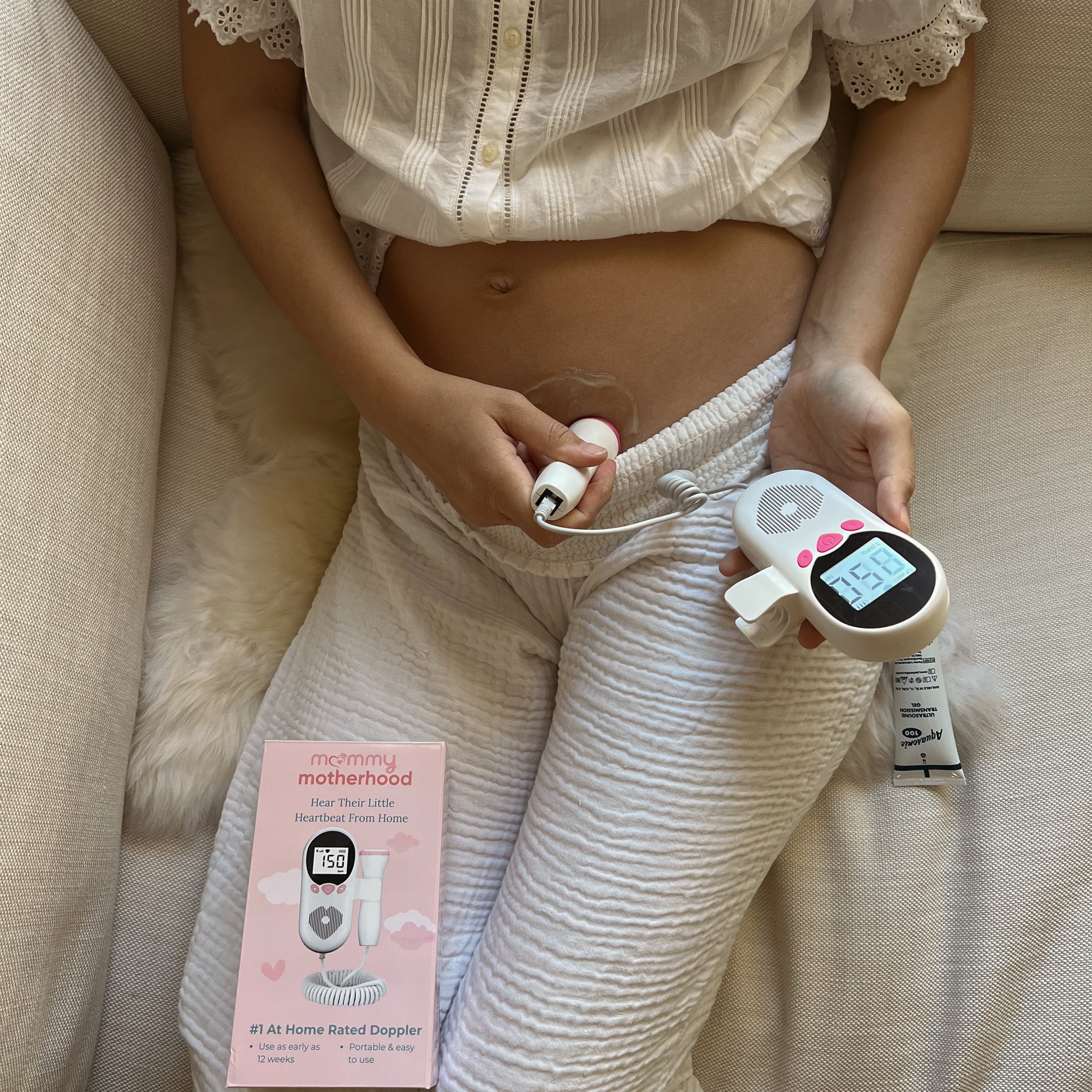
Expecting a baby is a beautiful journey filled with excitement and anticipation. For many expectant parents, being able to listen to the baby?s heartbeat can be a reassuring and cherished experience. A home doppler monitor can offer this unique connection by allowing parents to hear their baby?s heartbeat at home. However, with various options available, selecting the right one requires careful consideration. This guide will help navigate the essential factors to ensure a wise choice.
Understanding Home Doppler Monitors
Home doppler monitors are handheld ultrasound devices designed to detect fetal heartbeats. These devices offer the convenience of listening to your baby’s heartbeat between prenatal visits, providing peace of mind and an emotional bond. However, while they are practical, they shouldn’t replace professional medical advice or regular check-ups.
Key Factors to Consider
Accuracy and Sensitivity
One of the most critical aspects of choosing the right home doppler monitor is its accuracy and sensitivity. A device with high sensitivity can detect a fetal heartbeat earlier, typically around 8-12 weeks of pregnancy. Look for monitors with a high frequency as they tend to be more accurate.
Ease of Use
For a seamless experience, select a doppler monitor that is user-friendly. Consider the following features:
- Easy-to-read display: A clear and large screen enhances user experience.
- Intuitive controls: Simple buttons and functions ensure easy operation.
- Lightweight and portable: A compact design makes it easier to handle and store.
Sound Quality
Listening to your baby?s heartbeat should be a clear and delightful experience. Opt for a monitor known for its excellent sound quality. Features to look for include:
- Volume control: Allows adjustment for optimal listening comfort.
- Headphone jack: Provides private listening, reducing external noise interference.
- Built-in speakers: Ensure the sound is audible and clear.
Safety and Certification
Safety should always be a priority when selecting a monitor. Ensure the device complies with medical safety standards and is certified by relevant health authorities. This ensures the monitor is safe for both mother and baby.
Additional Features
Modern monitors often come with additional features that enhance functionality and user experience:
- LCD screens: Offer detailed information such as heartbeat rate and battery life.
- Recording function: Allows saving of heartbeat sounds for sharing with family or healthcare providers.
- Rechargeable batteries: Provide convenience and are environmentally friendly.
Research and Reviews
Before purchasing, researching reviews from other parents can provide valuable insights. Real-life experiences often highlight the practical aspects and any potential issues with specific models. Online forums and parenting websites are excellent resources for finding the best pregnancy doppler recommendations.
Conclusion
Choosing the right home doppler monitor involves evaluating several factors, including accuracy, ease of use, sound quality, safety, and additional features. With thoughtful consideration and research, parents can find a device that enhances their pregnancy experience. Remember, while these devices offer a personal connection to your baby, they are supplementary and should complement regular prenatal care. Listening to that little heartbeat is a joy that brings many parents peace and happiness throughout their pregnancy journey.