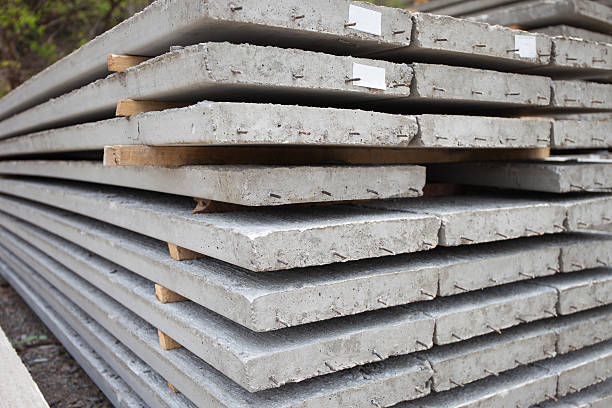
Precast concrete products have become a staple in modern construction due to their durability, efficiency, and versatility. These prefabricated concrete elements are manufactured in a controlled environment and transported to the construction site for installation, offering a myriad of benefits over traditional construction methods. From infrastructure projects to commercial buildings, the application of precast concrete is vast, making it an indispensable material in the construction industry.
Advantages of Precast Concrete
Precast concrete offers numerous advantages that make it a preferred choice for builders and architects. Some of the key benefits include:
- Durability: Precast concrete is known for its long-lasting properties, capable of withstanding harsh weather conditions and heavy loads.
- Quality Control: Manufactured in a controlled environment, precast concrete ensures high-quality standards and consistency in production.
- Time Efficiency: With components prefabricated off-site, construction times are significantly reduced, allowing for faster project completion.
- Cost-Effectiveness: Reduced labor costs and minimized material wastage contribute to the overall cost-efficiency of precast concrete products.
- Design Flexibility: Precast concrete can be molded into various shapes and sizes, accommodating a wide range of architectural designs.
Applications in Construction
Infrastructure Projects
Precast concrete plays a crucial role in infrastructure development. Its robustness and resilience make it ideal for use in:
- Bridges: The strength of precast concrete supports the construction of durable bridges that can withstand heavy traffic and environmental stressors.
- Tunnels: Precast concrete segments facilitate the rapid and efficient construction of tunnels, reducing the impact on surrounding environments.
- Railways: The use of precast concrete sleepers enhances the longevity and stability of railway tracks.
Commercial and Residential Buildings
In the realm of commercial and residential construction, precast concrete is utilized for various structural and aesthetic elements:
- Fa?ades: Precast concrete panels offer a sleek and modern appearance for building exteriors while providing excellent thermal insulation.
- Flooring Systems: Hollow-core slabs, a type of precast flooring, provide a lightweight yet strong solution for multi-story buildings.
- Parking Structures: Precast concrete?s load-bearing capacity makes it ideal for constructing multi-level parking facilities.
Sustainability and Environmental Impact
The environmental benefits of precast concrete further enhance its appeal in the construction industry. These include:
- Reduced Waste: The precision in manufacturing leads to minimal material waste compared to on-site concrete pouring.
- Energy Efficiency: The thermal mass of precast concrete contributes to energy savings in heating and cooling buildings.
- Recyclability: At the end of its life cycle, precast concrete can be crushed and reused as aggregate for new concrete, promoting circular economy practices.
Innovations in Precast Concrete
The evolution of precast concrete technology continues to push the boundaries of what is possible in construction. Recent innovations include:
- 3D Printing: Advances in 3D printing technology allow for the creation of complex and customized precast concrete components.
- Smart Concrete: Incorporating sensors into precast concrete elements enables real-time monitoring of structural health and integrity.
- Lightweight Aggregates: The use of lightweight aggregates in precast concrete reduces its weight while maintaining strength, increasing transport and installation efficiency.
Conclusion
Precast concrete products represent a transformative approach in the construction industry, offering a blend of strength, efficiency, and sustainability. Their adaptability to various construction needs and continuous innovation make them a cornerstone of modern building practices. As the industry evolves, the role of precast concrete is set to expand, continuing to shape the infrastructure of cities and communities worldwide. For more detailed insights into the applications and benefits of precast concrete, explore comprehensive resources available online.