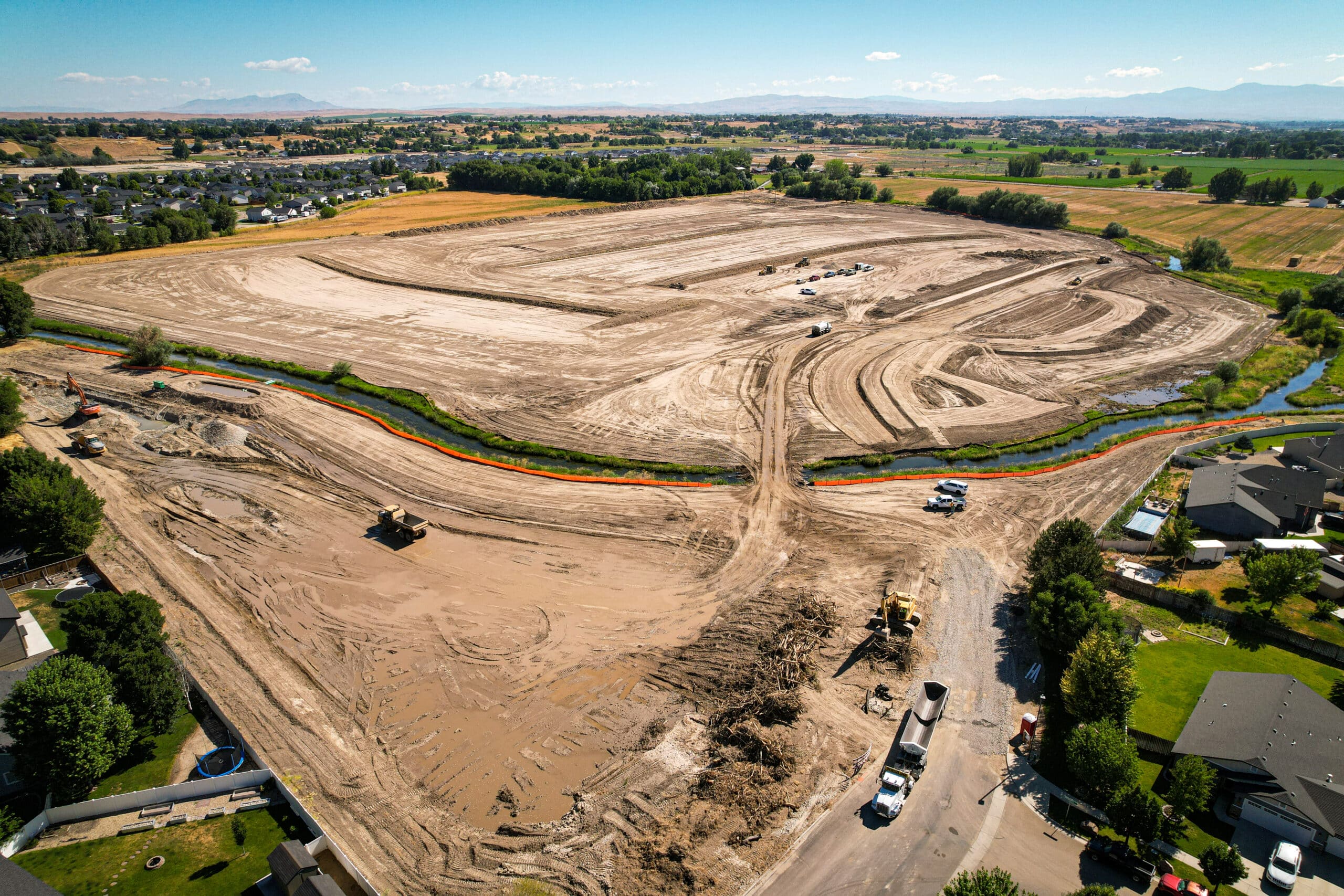
Efficient water management is crucial in the construction industry, a sector that often demands precision and sustainability. Implementing expert irrigation system installation can significantly enhance the environmental footprint of construction projects while ensuring optimal resource utilization. From large-scale commercial projects to smaller residential developments, professional irrigation solutions are instrumental in maintaining landscape aesthetics and environmental balance, and preventing soil erosion.
Key Components of Construction Irrigation Systems
The effectiveness of construction irrigation solutions lies in understanding the essential components and how they interact. Here are the fundamental elements:
- Water Source: Reliable water sourcing is the cornerstone of any irrigation system. This can include municipal water supplies, well water, or collected rainwater.
- Pipes and Valves: These components distribute water efficiently across the site. The quality and layout of pipes and valves are critical for minimizing water loss and ensuring uniform distribution.
- Sprinklers and Drip Emitters: The choice between sprinklers and drip systems depends on the specific landscape requirements and water conservation goals.
- Control Systems: Modern irrigation systems often include smart irrigation systems that allow for remote monitoring and adjustments, enhancing efficiency and adaptability.
Benefits of Professional Installation
Precision and Efficiency
Professional installation ensures precision in design and execution, which is vital for achieving the desired irrigation outcomes. Expert installers possess the technical knowledge to design systems that are tailored to the specific needs of a site, taking into account factors such as soil type, climate, and topography. This precision leads to:
- Reduced Water Waste: Optimally designed systems minimize water runoff and evaporation.
- Consistent Watering: Ensures that all areas receive the appropriate amount of water.
- Long-term Sustainability: Promotes eco-friendly practices by aligning with natural water cycles.
Advanced Technology Integration
Integrating advanced technology into irrigation systems is becoming increasingly important. Modern irrigation services often incorporate technology that allows for real-time monitoring and system adjustments. Benefits include:
- Remote Access: Allows for adjustments to watering schedules from any location.
- Data-Driven Insights: Provides valuable feedback on system performance and water usage.
- Automated Scheduling: Ensures optimal watering times based on weather forecasts and soil moisture levels.
Environmental and Financial Considerations
Proper irrigation significantly contributes to environmental stewardship and financial savings. Implementing efficient systems not only protects the local ecosystem but also reduces operational costs. Key benefits include:
- Reduced Environmental Impact: Sustainable water use practices help conserve vital resources and protect natural habitats.
- Cost Savings: Efficient water use leads to lower water bills and reduced maintenance costs.
- Compliance and Incentives: Many regions offer incentives for businesses that adopt sustainable practices, including water conservation measures.
Conclusion
Incorporating professional irrigation system installation into construction projects is essential for achieving sustainability and efficiency. By leveraging advanced technologies and expert design, construction managers can ensure optimal water management that benefits both the environment and the bottom line. As the industry continues to evolve, the role of innovative irrigation solutions will undoubtedly become even more critical in shaping sustainable construction practices.