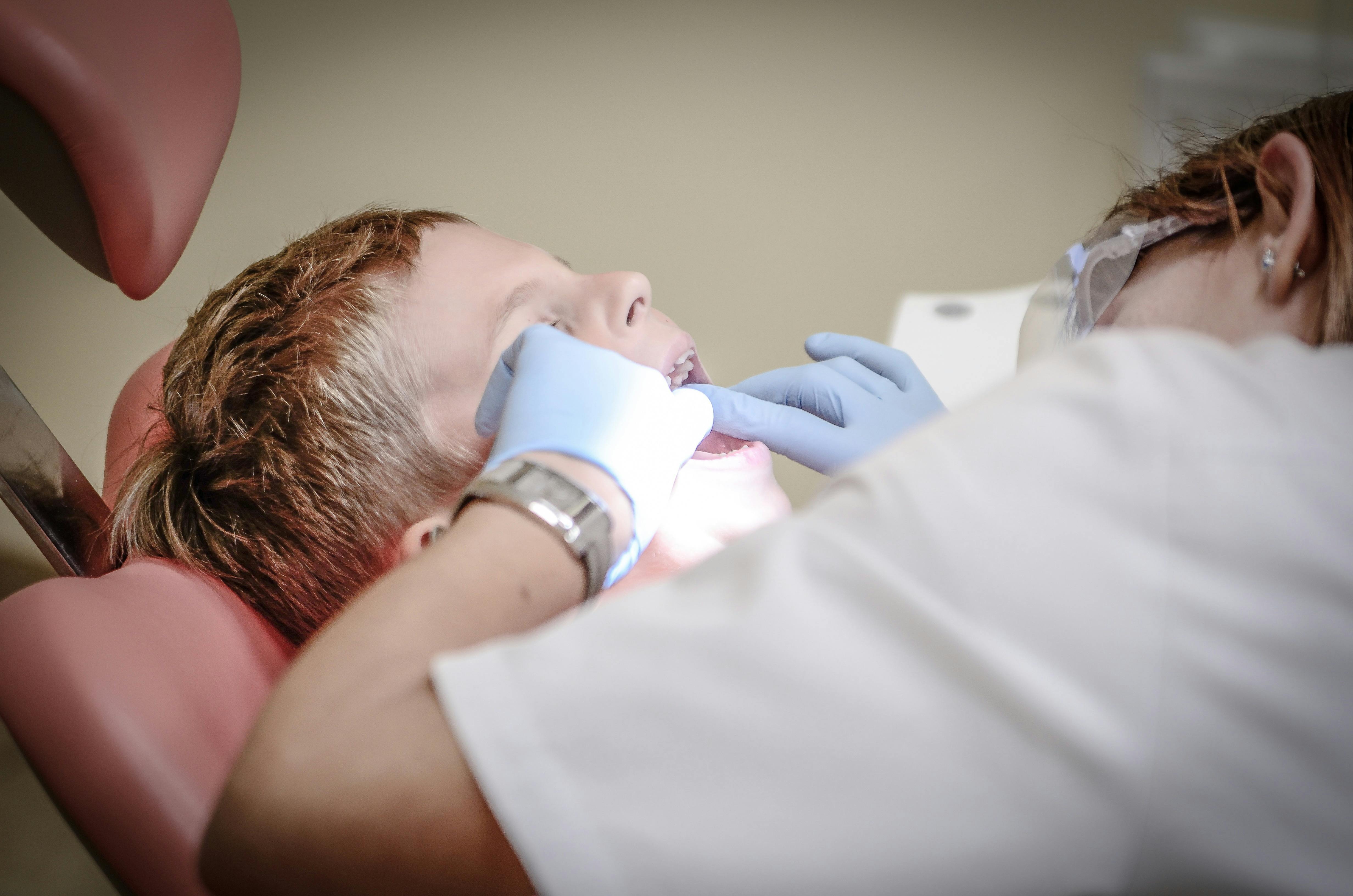
Achieving straight teeth has long been a desire for many individuals seeking an improved smile and enhanced oral health. Traditional braces have been the go-to solution for decades, but advancements in dental technology have introduced a modern alternative: Invisalign. This innovative treatment option offers a discreet and comfortable way to correct teeth alignment without the conspicuous appearance of metal brackets and wires. For those interested in learning more about this cutting-edge procedure, it is important to explore various aspects of Invisalign treatment, including its benefits, process, and suitability for different dental needs.
Understanding Invisalign Treatment
Invisalign is a form of orthodontic treatment that uses custom-made, clear aligners to gradually shift teeth into their desired position. Unlike traditional braces, these aligners are virtually invisible and can be easily removed for eating, brushing, and flossing. This modern approach to teeth straightening has gained popularity due to its convenience and aesthetic appeal.
Key Benefits of Invisalign
- Discreet Appearance: The clear aligners are nearly invisible, making them an attractive option for individuals conscious about their appearance.
- Comfort and Convenience: Made from smooth plastic, Invisalign aligners are comfortable to wear and can be removed when necessary.
- Fewer Dietary Restrictions: Unlike traditional braces, there are no food restrictions with Invisalign, as aligners are removed during meals.
- Improved Oral Hygiene: Aligners can be removed for thorough cleaning of teeth and gums, reducing the risk of cavities and gum disease.
- Customizable Treatment: Aligners are custom-made to fit the unique shape and needs of each patient’s mouth.
The Invisalign Process
For those considering Invisalign, it is essential to understand the treatment process:
Initial Consultation and Assessment
The journey begins with a consultation with a dental professional who will assess the individual’s dental needs and determine if Invisalign is the appropriate treatment. Detailed scans and impressions of the teeth are taken to create a personalized treatment plan. Read more about this topic to understand the initial steps involved.
Aligner Fabrication and Fitting
Once the treatment plan is established, a series of custom aligners are fabricated. Each aligner is worn for approximately two weeks before progressing to the next one in the series, with each stage bringing the teeth closer to the desired alignment. Learn more in this detailed guide about aligner fitting and adjustments.
Regular Monitoring and Adjustments
Regular follow-up appointments are necessary to monitor progress and make any necessary adjustments to the treatment plan. These visits also provide an opportunity to address any concerns or questions about the process. Explore further insights here on how these adjustments are made.
Is Invisalign Right for You?
Invisalign is suitable for a wide range of dental issues, but not everyone is an ideal candidate. It is most effective for treating mild to moderate cases of misalignment, including overbites, underbites, crossbites, and gaps between teeth. Severe cases may still require traditional braces or alternative orthodontic treatments. Find additional information here to determine if Invisalign aligns with your dental needs.
In conclusion, Invisalign treatment offers a modern and discreet solution for achieving straight teeth and a confident smile. By understanding the benefits, process, and suitability of this treatment, individuals can make informed decisions about their orthodontic care. For those intrigued by the possibilities of Invisalign, consulting with a dental professional can provide personalized insights and recommendations.