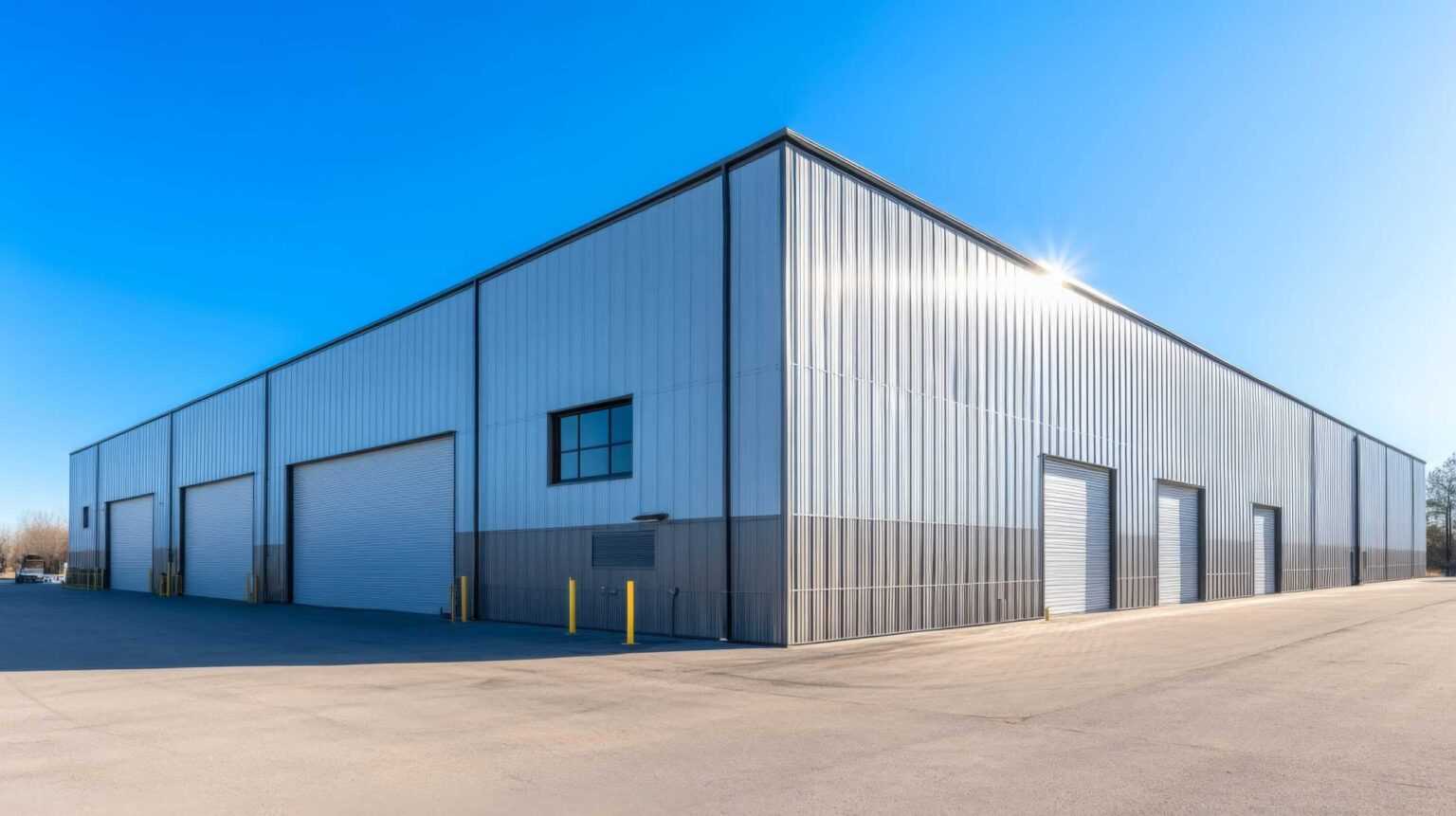
In the realm of agricultural development, pole barns stand out as a versatile and efficient solution for a variety of farming needs. These structures offer a cost-effective, durable, and customizable option for housing livestock, storing equipment, or sheltering crops. The simplicity of their design, combined with their adaptability, makes pole barns a preferred choice for farmers looking to optimize space and resources. Understanding the nuances of efficient pole barn construction can enhance operational efficiency and meet the specific demands of agricultural settings.
Understanding Pole Barn Construction
Pole barns, also known as post-frame buildings, are constructed using poles or posts buried in the ground or mounted on a foundation. This construction method provides stability and flexibility, allowing for large, open spaces without the need for interior load-bearing walls. This is particularly advantageous in agricultural settings where unobstructed space is crucial.
Key features of pole barn construction include:
- Cost-effectiveness due to minimal material requirements.
- Speed of construction, often completed in a matter of weeks.
- Versatility in design, allowing customization for specific agricultural uses.
- Durability and low maintenance with the use of treated lumber and metal cladding.
Discover expert strategies here to enhance the durability and functionality of pole barns.
Planning for Agricultural Needs
When planning a pole barn for agricultural purposes, several factors must be considered to ensure it meets the specific needs of the operation. Understanding these elements can significantly impact the efficacy and longevity of the structure.
Location and Site Preparation
Selecting the right location is crucial for maximizing the benefits of a pole barn. Consider accessibility, drainage, and proximity to other operational areas. Proper site preparation, including leveling and drainage solutions, can prevent future structural issues.
Learn about our tailored solutions for site preparation and location selection.
Design and Customization
Customization options are vast, from the size and shape of the barn to the materials used. Considerations should include:
- The type of livestock or equipment that will be housed.
- Ventilation and insulation needs.
- Doors and windows placement for ease of access and natural light.
Explore advanced guides and tips on customizing pole barns for specific agricultural uses.
Construction Best Practices
Adhering to best practices during construction ensures the pole barn is built to last and function optimally. Here are some key considerations:
- Using high-quality materials, such as treated lumber and metal siding, to withstand environmental stresses.
- Ensuring proper pole spacing and depth for structural integrity.
- Implementing effective moisture barriers and ventilation systems.
Find out more about this approach to ensure your pole barn meets all necessary standards.
Conclusion
Pole barns offer an exceptional solution for agricultural needs, providing the necessary flexibility and durability required by modern farming operations. By understanding the principles of efficient construction and the importance of tailored design, farmers can greatly enhance their operational capabilities. For further insights and guidance on executing a successful pole barn project, visit O’Neil Buildings for comprehensive resources and expert advice.