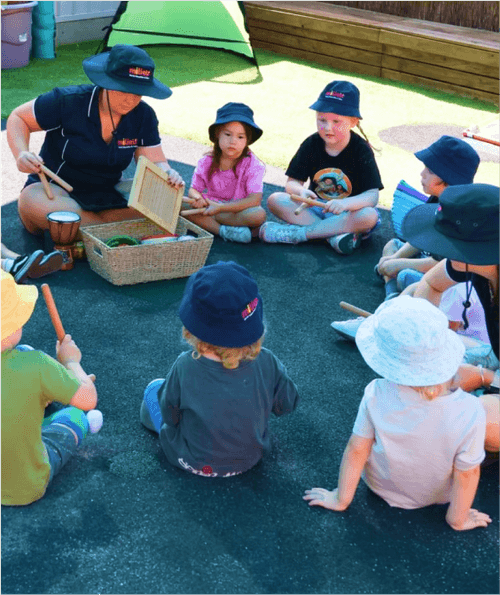
In the journey of education, the transitional phase from early childhood to formal schooling is a critical period that sets the tone for a child’s academic and social success. A comprehensive school readiness program is essential to equip children with the foundational skills they need to thrive in a structured school environment. This article explores the key components of such a program, highlighting the crucial elements that contribute to a child’s preparedness for school.
Cognitive Development
Cognitive skills are the building blocks of learning and problem-solving. A robust school readiness program emphasizes the development of these skills, which include:
- Attention and Focus: Activities designed to improve attention span and concentration.
- Memory: Exercises that enhance short-term and long-term memory retention.
- Critical Thinking: Problem-solving tasks that encourage logical reasoning and decision-making.
Engaging children in activities that challenge their cognitive abilities prepares them for the intellectual demands of school.
Social and Emotional Skills
Equally important as cognitive skills are the social and emotional competencies that enable children to navigate the school environment effectively. Key components include:
- Emotional Regulation: Teaching children to manage their emotions and cope with frustration.
- Interpersonal Skills: Encouraging positive interactions and cooperative play with peers.
- Self-Esteem: Building a sense of confidence and self-worth through supportive feedback.
These skills are fostered through group activities, role-playing, and guided interactions, laying the groundwork for positive social experiences in school.
Language and Literacy
Language development is critical in a child?s ability to communicate, comprehend instructions, and express thoughts. A school readiness program should focus on:
- Vocabulary Expansion: Introducing new words through stories, songs, and conversations.
- Phonemic Awareness: Activities that highlight the sounds within words, such as rhyming and syllable segmentation.
- Comprehension Skills: Encouraging children to predict outcomes and recall story details.
By nurturing these skills, children gain the language proficiency needed for effective communication and understanding in a classroom setting.
Physical Development
Fine Motor Skills
Fine motor skills are crucial for tasks such as writing, cutting, and buttoning clothing. Programs should include:
- Activities that involve hand-eye coordination, such as drawing and building blocks.
- Practices that strengthen hand muscles, like clay modeling and threading beads.
Gross Motor Skills
These skills involve whole-body movement and are essential for physical activities and overall health. Key components are:
- Balance and Coordination: Games that require running, jumping, and balancing.
- Spatial Awareness: Activities that teach children how to navigate space effectively.
Fostering physical development ensures children have the stamina and coordination necessary for school activities.
Independence and Self-Care
Preparing children to manage themselves independently is a vital aspect of school readiness. This includes:
- Self-Help Skills: Encouraging children to dress themselves, manage personal hygiene, and eat independently.
- Decision-Making: Teaching children to make simple choices, fostering a sense of autonomy.
Developing these skills helps children gain confidence and reduces anxiety as they adjust to the school routine.
Conclusion
A school readiness program plays a pivotal role in preparing children for the academic and social challenges of school life. By focusing on cognitive, social, emotional, physical, and self-care skills, these programs provide a comprehensive foundation that supports a smooth transition into formal education. Educators and parents alike benefit from understanding these key components, ensuring that every child is equipped with the necessary tools for lifelong learning success.