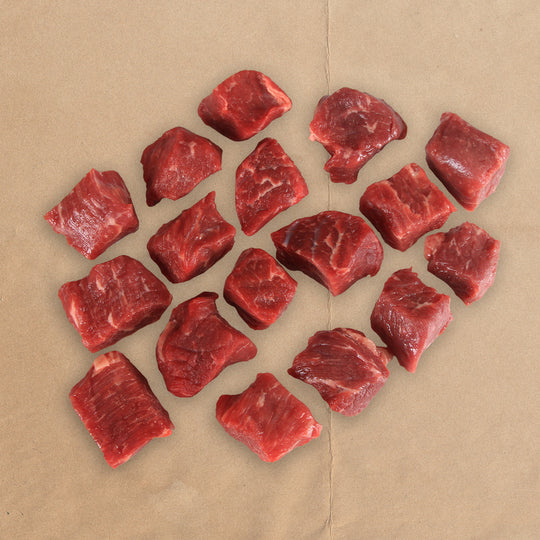
In the ever-evolving culinary world, chefs and home cooks alike are constantly on the lookout for ingredients that can elevate their dishes to the next level. While traditional beef cuts like ribeye, sirloin, and filet mignon have long been staples in the kitchen, there’s a growing interest in exploring unique specialty beef cuts. These cuts offer distinctive flavors and textures, providing an opportunity for culinary creativity and innovation. This exploration into lesser-known beef cuts not only enhances the dining experience but also supports sustainable meat consumption by utilizing the entire animal.
Understanding Specialty Beef Cuts
Specialty beef cuts refer to those parts of the cow that are not as commonly used in mainstream cooking but are prized for their unique attributes. These cuts often require specific cooking techniques to unlock their full potential and can be the highlight of any meal when prepared correctly.
Why Choose Specialty Cuts?
- Flavor Variety: Specialty beef cuts often have a richer, more robust flavor compared to traditional cuts.
- Texture: These cuts can offer varied textures, from melt-in-the-mouth tenderness to a satisfying chew.
- Cost-Effectiveness: Generally, specialty cuts are more affordable than their mainstream counterparts.
- Supporting Sustainability: Using the entire animal reduces waste and promotes sustainable meat consumption.
Popular Specialty Beef Cuts
Delving into the world of specialty beef cuts opens up a new realm of culinary possibilities. Here are a few popular options that are gaining popularity among chefs and meat enthusiasts:
Flat Iron Steak
The flat iron steak is a relatively new cut that has become increasingly popular due to its tenderness and flavor. It is cut from the shoulder of the cow and is best cooked quickly over high heat, such as grilling or pan-searing. This cut is perfect for those looking to try something different from the traditional steak options.
Oxtail
Oxtail, as the name suggests, comes from the tail of the cow. It is known for its gelatinous texture, which makes it ideal for slow-cooked dishes like soups and stews. When cooked slowly, the collagen in the oxtail breaks down, resulting in a rich and flavorful broth that is unmatched.
Beef Cheeks
Beef cheeks are a hidden gem that offers a melt-in-the-mouth experience when cooked properly. They are perfect for braising, as the long cooking process allows the connective tissue to break down, resulting in incredibly tender meat. This cut is ideal for hearty, comforting dishes.
Short Ribs
While short ribs are more commonly known, they still fall under the category of specialty cuts due to their unique cooking requirements. They are best cooked using slow methods like braising or smoking, which allow the fat to render and the meat to become succulent and flavorful.
Cooking Techniques for Specialty Cuts
To fully appreciate the unique qualities of specialty beef cuts, it is essential to employ the right cooking techniques. Here are some tips to get the most out of these cuts:
- Braising: This slow-cooking method is perfect for tougher cuts like beef cheeks and short ribs, allowing the meat to become tender and flavorful.
- Grilling: Ideal for cuts like the flat iron steak, grilling over high heat can enhance the natural flavors and create a delicious crust.
- Smoking: Smoking imparts a unique flavor profile to meats like short ribs, creating a rich, smoky taste.
- Sous Vide: This technique can be used for precise temperature control, ensuring even cooking and preserving the natural juices of the meat.
Conclusion
Incorporating specialty beef cuts into culinary practices not only broadens the flavor spectrum but also supports sustainable and responsible meat consumption. By exploring these unique cuts and employing appropriate cooking techniques, culinary enthusiasts can discover new depths of flavor and texture, ultimately enhancing their dining experiences.