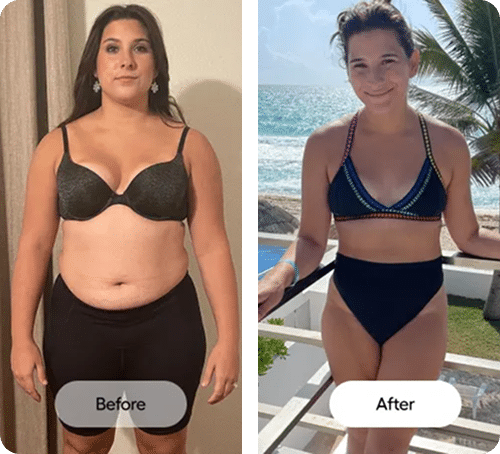
Achieving sustainable weight loss is a complex and often challenging journey that requires more than just diet and exercise. While these components are essential, the psychological aspects of weight loss can significantly influence success. Therapy can play a pivotal role in helping individuals address the mental and emotional factors that contribute to weight management. By understanding and modifying behaviors and thought patterns, therapy can enhance the effectiveness of a weight loss plan, leading to sustainable outcomes.
The Psychological Dimension of Weight Loss
Weight loss is not merely a physical challenge; it’s deeply intertwined with psychological factors. Emotional eating, body image issues, and stress are common psychological barriers that can impede progress. Therapy helps individuals:
- Identify emotional triggers that lead to overeating or unhealthy food choices.
- Develop healthier coping mechanisms to deal with stress and anxiety.
- Improve self-esteem and body image perceptions.
- Build a resilient mindset to overcome setbacks.
For those who struggle with these challenges, therapy provides a structured environment to explore and address these issues. Find out more about this approach to better understand how psychological support can aid in weight management.
Types of Therapy for Weight Loss
Cognitive Behavioral Therapy (CBT)
Cognitive Behavioral Therapy is one of the most effective therapeutic approaches for weight loss. It focuses on changing negative thought patterns and behaviors that contribute to weight gain. Key components include:
- Identifying and challenging distorted thoughts about food and weight.
- Setting realistic goals and developing a structured plan to achieve them.
- Learning problem-solving skills to handle difficult situations.
By reprogramming the mind to foster positive habits, CBT can significantly enhance the sustainability of weight loss efforts. Discover expert strategies here to see how CBT can be integrated into a comprehensive weight loss program.
Mindfulness-Based Approaches
Mindfulness practices teach individuals to become more aware of their thoughts, emotions, and bodily sensations. This heightened awareness can lead to more mindful eating habits, reducing the tendency to engage in automatic and emotional eating. Benefits of mindfulness-based approaches include:
- Increased awareness of hunger and satiety cues.
- Enhanced emotional regulation to prevent stress-induced eating.
- Greater enjoyment and appreciation of food.
Mindfulness can transform the relationship with food from one of compulsion to one of choice and enjoyment. Learn about our tailored solutions for incorporating mindfulness into weight loss strategies.
Integrating Therapy with Other Weight Loss Strategies
For optimal results, therapy should be integrated with other weight loss strategies, such as nutritional guidance and regular physical activity. This holistic approach ensures that all aspects of an individual’s health are addressed. Effective integration involves:
- Collaborating with dietitians to create personalized meal plans.
- Incorporating fitness routines that align with individual preferences and capabilities.
- Regularly reviewing progress and adjusting strategies as needed.
Incorporating therapy into a comprehensive weight loss plan not only enhances psychological well-being but also supports long-term weight management. Explore advanced guides and tips on how to effectively combine therapy with other weight loss techniques.
Conclusion
Therapy offers invaluable support for individuals seeking sustainable weight loss. By addressing the psychological barriers that often undermine weight loss efforts, therapy can facilitate lasting change and personal growth. Whether through CBT, mindfulness, or a combination of approaches, therapy empowers individuals to take control of their weight loss journey. Explore advanced guides and tips to learn more about incorporating therapy into a holistic weight management plan.