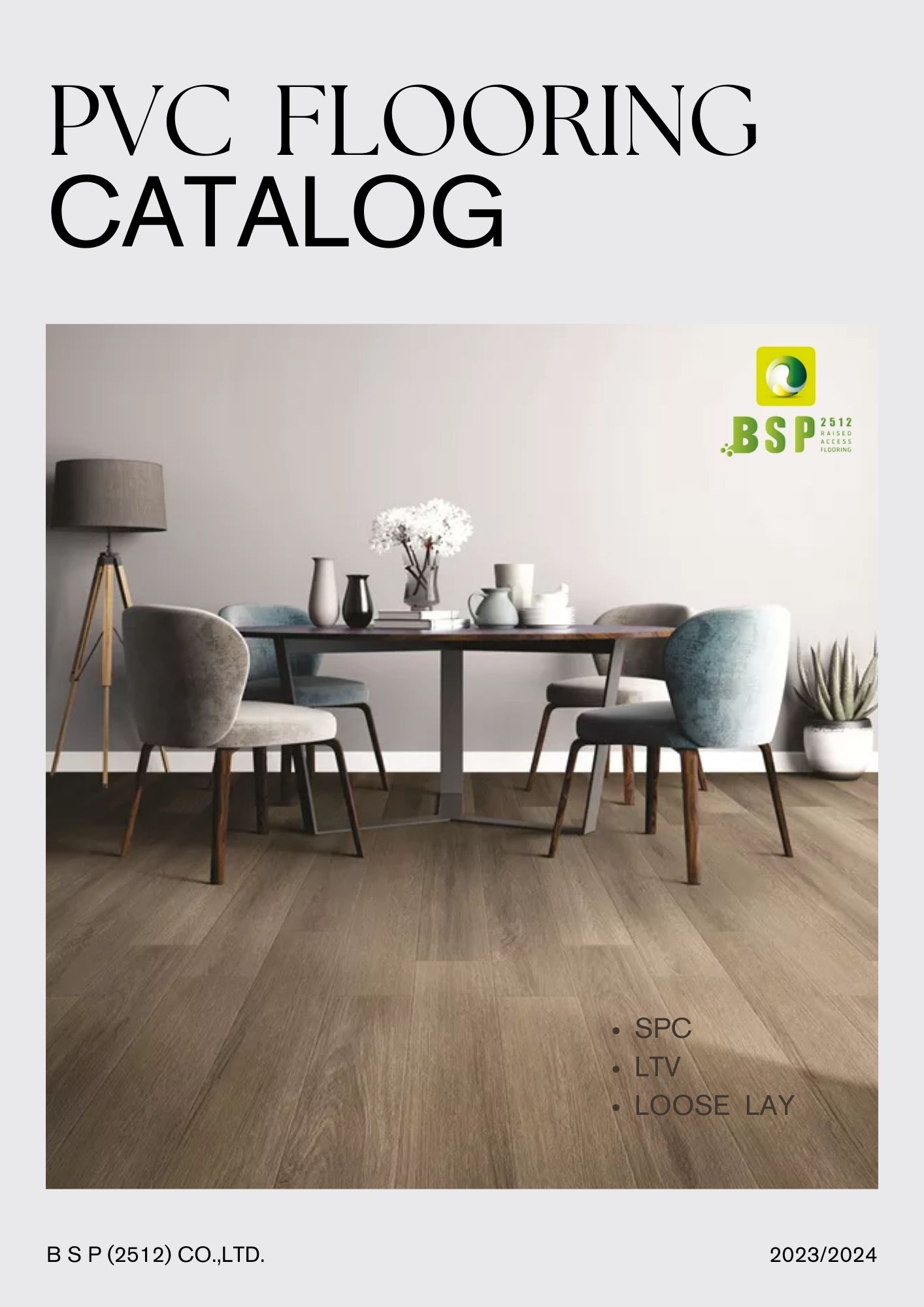
Stone Plastic Composite (SPC) flooring has emerged as a popular choice in the realm of modern interior design, valued for its robustness and aesthetic appeal. The development of SPC flooring technology has introduced a durable and water-resistant alternative to traditional flooring options, making it suitable for a variety of settings. This article delves into the features that contribute to the durability and water-resistance of SPC flooring, highlighting why it has become a preferred option for homeowners and commercial spaces alike.
Understanding the Composition of SPC Flooring
SPC flooring is engineered with a unique combination of materials that provide its exceptional strength and resilience. The core layer, which is a key component, is composed of:
- Stone powder, primarily limestone, which gives the flooring its rigidity and stability.
- Polyvinyl chloride (PVC), which adds flexibility and allows the flooring to withstand impacts.
This composite structure is what makes SPC flooring an innovative and practical choice for various applications, ensuring that it retains its shape and integrity over time.
Durability Features of SPC Flooring
One of the standout characteristics of SPC floor is its remarkable durability. This flooring can withstand heavy foot traffic, making it ideal for both residential and commercial environments. Key durability features include:
- Scratch Resistance: The wear layer of SPC flooring is designed to resist scratches and dents, maintaining a pristine appearance even in high-traffic areas.
- Impact Resistance: Thanks to its rigid core, SPC flooring can absorb shocks and withstand impacts without significant damage.
- Longevity: With proper maintenance, SPC flooring can last for many years, offering a long-term flooring solution.
Water-Resistance Capabilities
Water-resistance is a critical attribute that sets SPC flooring apart from other types of flooring. This quality ensures that the flooring remains unaffected by spills and moisture, making it suitable for areas prone to water exposure such as kitchens and bathrooms. The water-resistant properties of SPC flooring are a result of:
- Non-Porous Surface: The surface of SPC flooring is designed to be non-porous, preventing water from seeping in and causing damage.
- Seamless Installation: The click-lock installation system ensures tight seams that further enhance the water-resistance of the installed floor.
Applications in Various Environments
The combination of durability and water-resistance makes SPC flooring versatile enough for various environments. From bustling retail spaces to serene residential settings, SPC flooring can be tailored to fit any aesthetic while providing practical benefits.
Maintenance and Care
Maintaining SPC flooring is straightforward, which adds to its appeal. Regular sweeping and occasional mopping are generally sufficient to keep the floor looking its best. Here are some tips for maintaining SPC floors:
- Avoid Harsh Chemicals: Use mild cleaning solutions that are specifically designed for SPC flooring to avoid damaging the surface.
- Immediate Spill Cleanup: Although SPC floors are water-resistant, promptly cleaning spills will help maintain their appearance and prevent any potential damage.
In conclusion, the durability and water-resistance of SPC flooring make it a compelling choice for a wide range of applications. Its ability to withstand daily wear and tear, coupled with an easy maintenance regime, ensures that it remains a popular option for those seeking a balance between functionality and style. Whether used in a bustling commercial space or a cozy home, SPC flooring promises to deliver on both durability and aesthetic appeal.