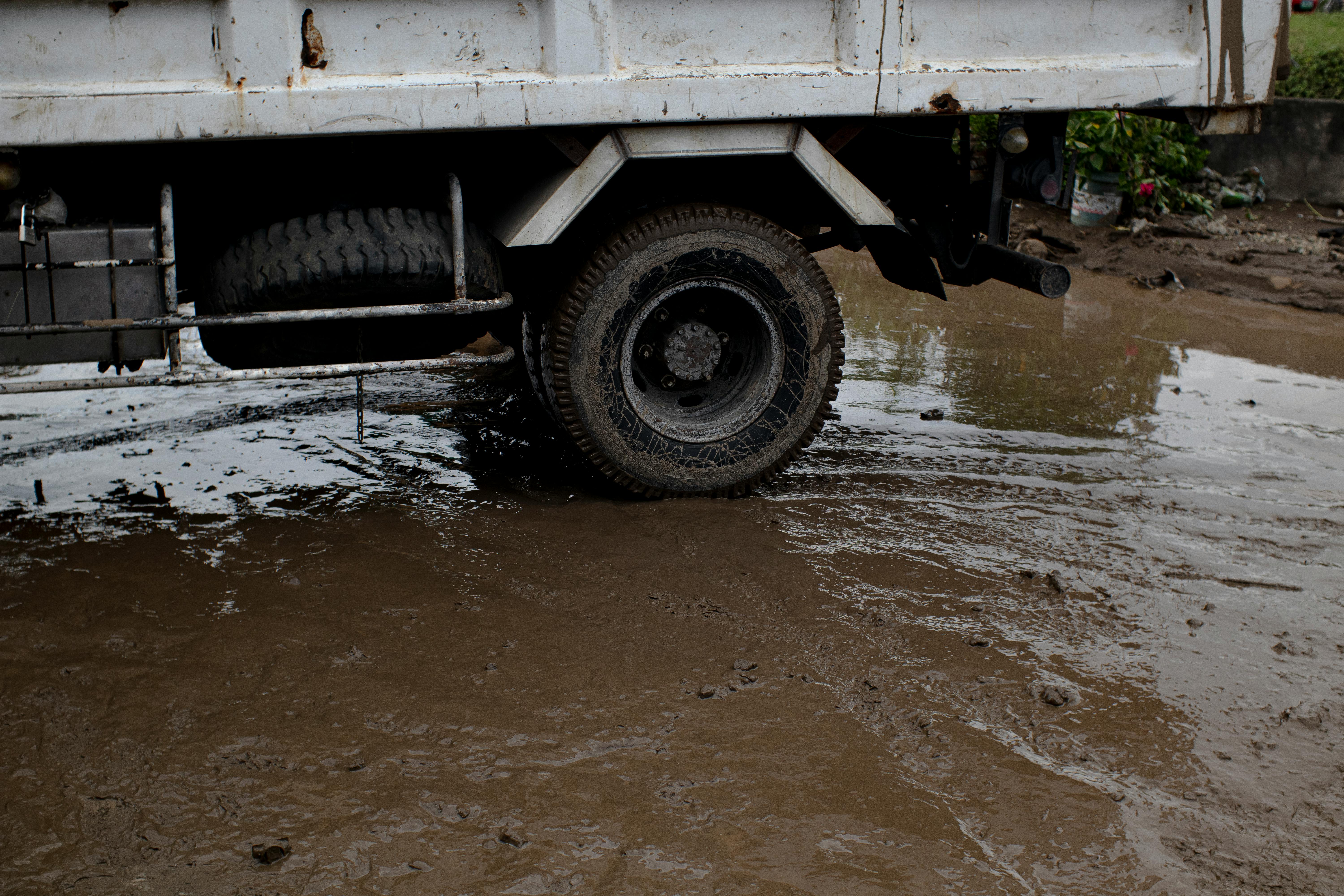
When unexpected flooding strikes, it can leave a trail of destruction in its wake. Homes and businesses in Hobart can suffer significant damage, from structural issues to mold growth, if immediate action is not taken. Understanding the critical steps in emergency flood damage restoration can help mitigate these effects, ensuring that properties are restored efficiently and effectively. This article provides a comprehensive overview of the essential components of flood damage restoration, highlighting the importance of professional intervention and the strategies employed to recover from such events.
The Importance of Immediate Response
In the aftermath of a flood, time is of the essence. A swift response is crucial to minimize damage and prevent further issues. Key reasons for immediate action include:
- Prevention of mold and mildew growth, which can begin within 24 to 48 hours.
- Reduction of water damage to foundational structures and personal belongings.
- Mitigation of health risks associated with contaminated water.
Discover expert strategies here to ensure a prompt and effective response to flooding emergencies.
Assessment and Inspection
The first step in any flood damage restoration process is a thorough assessment. This involves:
- Identifying the extent and type of water damage.
- Evaluating the condition of affected areas and materials.
- Developing a comprehensive restoration plan tailored to the specific situation.
Such assessments are crucial to developing a targeted strategy that addresses the unique challenges posed by each flood event. Find out more about this approach and how it ensures effective restoration outcomes.
Water Extraction and Drying
Advanced Techniques for Water Removal
Once the assessment is complete, the next step is to remove any standing water. This involves:
- Utilizing industrial-grade pumps and vacuums for efficient water extraction.
- Employing specialized equipment to target hidden water pockets.
After water removal, the drying process begins. Advanced air movers and dehumidifiers are used to ensure thorough drying of the affected areas, preventing further damage and inhibiting mold growth. Learn about our tailored solutions for effective water extraction and drying techniques.
Cleaning and Sanitization
Floodwaters often bring contaminants into a property, necessitating thorough cleaning and sanitization. This involves:
- Disinfecting surfaces to eliminate bacteria and mold spores.
- Proper disposal of unsalvageable items to prevent contamination.
- Using antimicrobial treatments to inhibit future mold growth.
These steps are crucial for ensuring a safe and healthy environment post-flood. Explore advanced guides and tips to learn more about effective cleaning and sanitization methods.
Restoration and Repair
The final phase of flood damage restoration is the repair and restoration of affected structures and belongings. This may include:
- Repairing drywall, flooring, and other structural elements.
- Restoring furniture and personal items where possible.
- Repainting and refinishing surfaces to restore them to pre-flood condition.
Professional restoration services ensure that all repairs are conducted to the highest standards, restoring the property?s integrity and aesthetic. Discover expert strategies here for comprehensive restoration solutions.
Floods can have a devastating impact on homes and businesses, but with the right approach, recovery is possible. Understanding the critical steps in flood damage restoration, from assessment to repair, allows property owners to take informed actions that safeguard their investments and health. For more information on effective flood damage restoration in Hobart, find out more about this approach and the professional services available to assist with recovery.