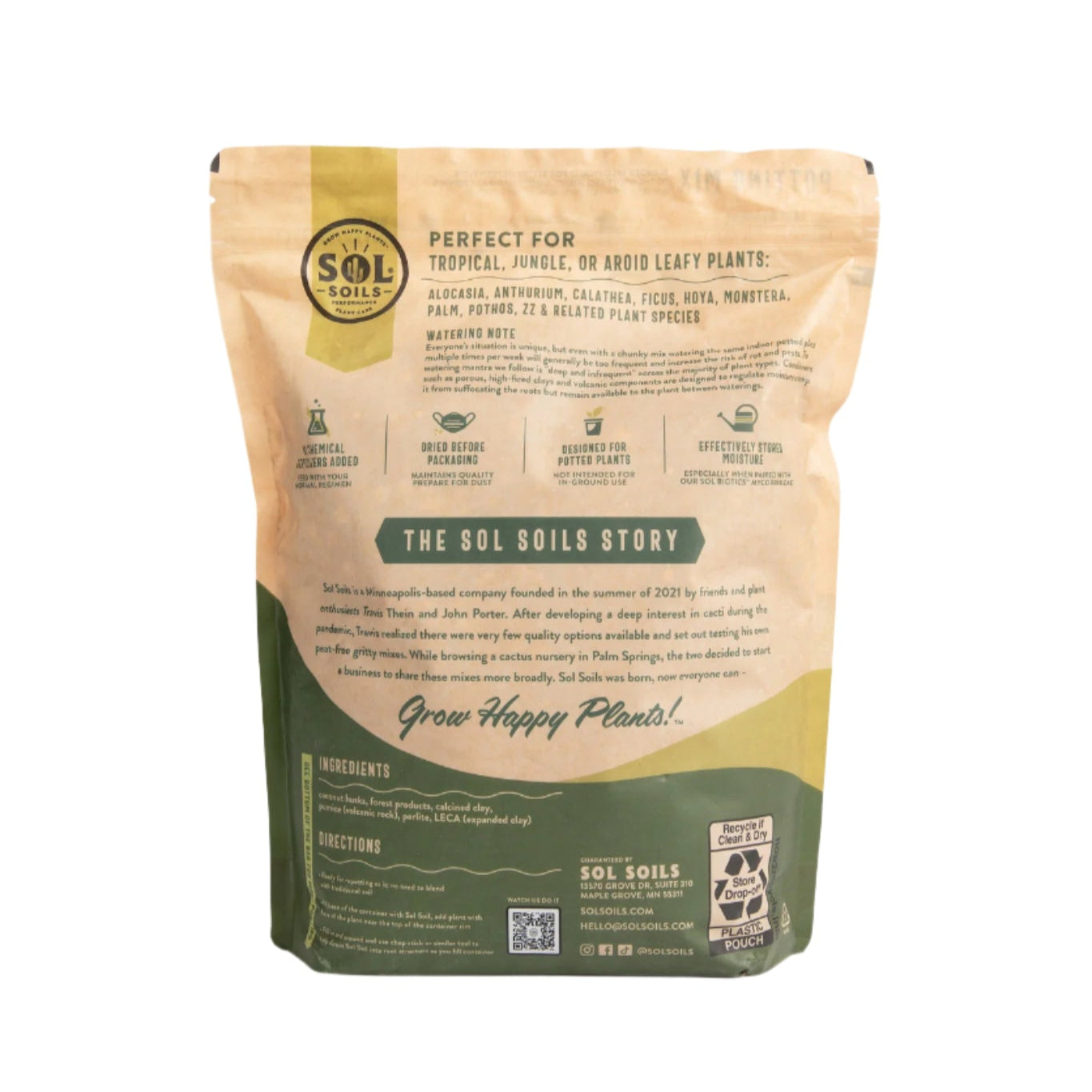
House plants have become an integral part of modern living spaces, offering aesthetic appeal and a breath of fresh air. However, the secret to thriving indoor plants lies as much below the surface as it does above. The soil, often overlooked, plays a pivotal role in the health and vitality of house plants. Understanding the composition, nutrient content, and proper maintenance of house plant soil is crucial for any plant enthusiast aiming to cultivate a lush indoor garden. This guide explores the essential components of healthy house plant soil and provides insights into maintaining an optimal environment for your green companions.
The Foundation of Healthy House Plant Soil
The foundation of healthy house plant soil is its composition. A well-balanced soil mix provides the necessary support and nutrients while ensuring adequate drainage and aeration. Here are the key components:
- Organic Matter: Comprising decomposed plant and animal residues, organic matter is essential for nutrient availability and soil structure.
- Mineral Content: Sand, silt, and clay are the primary mineral components, each contributing to the soil’s texture and nutrient-holding capacity.
- Drainage: Incorporating elements like perlite or vermiculite helps prevent waterlogging while maintaining moisture levels.
- Aeration: Adequate air spaces within the soil mix are crucial for root respiration and microbial activity.
By understanding these components, one can tailor the soil mix to suit the specific needs of various house plants. Discover expert strategies here.
Importance of Soil pH and Nutrients
Understanding pH Levels
Soil pH significantly influences nutrient availability to plants. Most house plants thrive in slightly acidic to neutral pH levels (6.0 to 7.0). Monitoring and adjusting the pH ensures that nutrients are readily accessible to the plant roots.
Essential Nutrients
For optimal plant growth, soil must contain essential macronutrients and micronutrients. These include:
- Macronutrients: Nitrogen, phosphorus, and potassium are critical for plant development and metabolic processes.
- Micronutrients: Elements like iron, manganese, and zinc, though required in smaller quantities, are vital for plant health.
Learn about our tailored solutions for nutrient-rich soil here.
Maintaining Soil Health
Regular Monitoring and Adjustments
Maintaining healthy soil requires regular monitoring and adjustments. Consider the following practices:
- Regular Testing: Soil testing kits can help determine pH levels and nutrient content, guiding necessary amendments.
- Amendments: Adding organic matter or specific fertilizers can rectify deficiencies and improve soil structure.
- Repotting: Regular repotting ensures fresh soil supply and prevents compaction, promoting root health.
For advanced guides and tips on maintaining healthy soil, explore these techniques.
Choosing the Right Soil Mix
Selecting the appropriate soil mix for specific plant types is crucial. Different plants have varied requirements in terms of drainage, aeration, and nutrient content. Consider the following when choosing a soil mix:
- Succulents: Require a fast-draining soil mix to prevent moisture retention.
- Tropical Plants: Benefit from a soil mix with high organic content for moisture retention and nutrient availability.
- Orchids: Prefer a chunky, bark-based mix for optimal aeration and drainage.
Find out more about this approach here.
In conclusion, understanding and maintaining healthy house plant soil is a multifaceted process that involves selecting the right components, monitoring soil conditions, and making necessary adjustments. By prioritizing soil health, plant enthusiasts can ensure vibrant, thriving indoor gardens. This comprehensive approach not only enhances the aesthetic appeal of living spaces but also contributes to the overall well-being of house plants.